Crni Napoleon
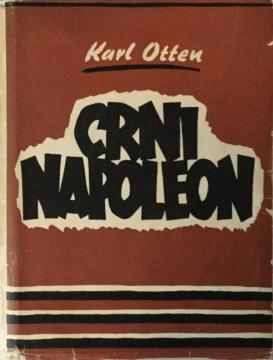
Der schwarze Napoleon (1931) ist eine fiktive Biografie von Toussaint Louverture. Sie schildert die Haitianische Revolution (1791–1803), den Sklavenaufstand in Saint-Domingue, Louvertures glanzvollen militärischen und politischen Aufstieg sowie seinen Kam
Das Werk ist eine fiktive Biografie von Toussaint Louverture, einem ehemaligen Sklaven, der zum Anführer der Haitianischen Revolution wurde – dem erfolgreichsten Sklavenaufstand der Geschichte. Otten schildert eindrücklich die brutalen Zustände in der französischen Kolonie Saint-Domingue (dem heutigen Haiti), die Ausbeutung von Sklaven auf Zuckerrohrplantagen und den Ausbruch eines bedeutenden Aufstands im Jahr 1791.
Louverture wird als außergewöhnliche Persönlichkeit dargestellt: ein Autodidakt, ein brillanter Stratege und ein Staatsmann, dem es gelang, zersplitterte schwarze Armeen zu vereinen, erfolgreiche Kriege gegen die Spanier, die Briten und Napoleon zu führen und die ersten Elemente eines schwarzen Staates zu etablieren. Der Roman verfolgt seinen Aufstieg vom Sklaven zum „schwarzen Napoleon“, aber auch sein tragisches Ende – Verrat, Verhaftung und Tod in einem französischen Gefängnis im Jahr 1803.
Otten schreibt in einem dynamischen, dokumentarisch-künstlerischen Stil und verknüpft historische Fakten mit literarischer Darstellung. Das Werk war zu seiner Zeit bedeutsam, da es den Aufstand der Schwarzen und den antikolonialen Kampf positiv darstellte – zu einer Zeit, als dies in der europäischen Literatur selten war. Gleichzeitig betont der Autor universelle Themen wie Freiheit, Gleichheit, Verrat und den Preis der Revolution.
In der kroatischen Ausgabe von 1940 war der Roman Teil einer beliebten Ausgabe internationaler Schriftsteller und fand Anklang bei Lesern, die sich für historische Themen und exotische Ereignisse interessierten. Heute gilt Der Schwarze Napoleon als Klassiker der Romanbiografie des 20. Jahrhunderts und als wichtiger literarischer Bericht über die Haitianische Revolution.
Two copies are available
Copy number 1
- Slight damage to the dust jacket
Copy number 2
- The cover is missing