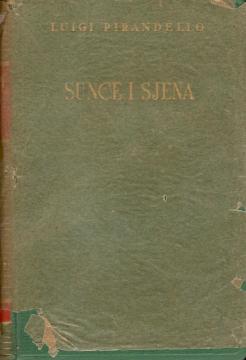
Sunce i sjena
Pirandellos essayistisch-reflexives Werk „Sonne und Schatten“ erkundet die Fragilität der Identität und den Unterschied zwischen dem, wer wir sind, und dem, was andere sehen, und schildert einen Mann, der zwischen innerer Wahrheit und sozialen Masken hin-
In seinem Essay Die Sonne und der Schatten schildert Pirandello philosophisch einen Mann, hin- und hergerissen zwischen dem grellen Licht des öffentlichen Lebens und den weichen, flüchtigen Schatten seines Privatlebens. Die Sonne ist hier nicht bloß eine Lichtquelle, sondern ein unerbittlicher Scheinwerfer, der alles beleuchtet, was die Gesellschaft sehen will: ein makelloses Image, einen gefestigten Charakter, eine Identität ohne Risse. In diesem Licht fühlen sich die Figuren nackt, bloßgestellt, fast gezwungen, die Version ihrer selbst zu sein, die andere von ihnen erwarten. Im Gegensatz dazu wird der Schatten zu ihrem verborgenen Raum – fließend, warm, voller innerer Zerrissenheit und unausgesprochener Gedanken.
Pirandello beschreibt Momente, in denen sich die Figuren, beinahe wie Doppelwesen, zwischen diesen beiden Welten bewegen: Im Sonnenlicht sprechen sie selbstbewusst, im Schatten flüstern sie ihre tiefsten Zweifel. Die Sonnenstrahlen betonen jede Unvollkommenheit, während der Schatten ihnen zwar eine kurze Atempause bietet, aber auch die stille Drohung in sich trägt, dass sie niemals als ganze Menschen ins Licht treten können. In diesem ständigen Übergang von Licht zu Dunkelheit liegt ein Gefühl der Unruhe – als ob die Identität fortwährend entschwindet und sich je nach Blickwinkel und Lichteinfall verändert.
Der Text gewinnt dadurch eine beinahe visuelle Dynamik: Das Licht flackert, die Schatten wandern, und der Mensch versucht unentwegt, sich aus diesen zerbrechlichen Bruchstücken zusammenzusetzen. Pirandello betont somit, dass die Wahrheit über uns immer in einem Spiel der Gegensätze liegt – nie ganz im Sonnenlicht, nie ganz im Schatten –, sondern in einer rastlosen, menschlichen Mischung aus beidem.
Angeboten wird ein Exemplar