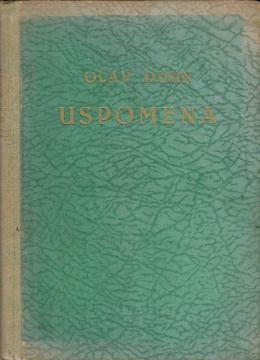
Uspomena
Olav Duuns Roman „Uspomena“ (1932) ist ein psychologisches Drama über die Rückkehr eines Sohnes in sein Heimatdorf nach dem verdächtigen Tod seiner Mutter und den Verdacht gegen seinen Vater. Es ist eines der wenigen Werke Duuns, die zu dieser Zeit in kro
Olav Duun (1876–1939) zählt zu den bedeutendsten norwegischen Schriftstellern des 20. Jahrhunderts, einem Meister der psychologischen Prosa und der Schilderung des ländlichen Lebens in Namdalen. Bekannt ist er vor allem für seinen umfangreichen Zyklus „Juvikfolke“ (Die Bauern), doch „Erinnerung“ ist eines seiner späteren, eigenständigen Werke.
Der Roman spielt in einer kleinen norwegischen Landgemeinde. Die Hauptfigur Brynjar kehrt nach Hause zurück, nachdem seine Mutter tot aufgefunden wurde. Sein Vater Torberg gerät unter Mordverdacht, und Brynjar versucht, die Geschehnisse zu rekonstruieren. Das Buch ist als eine Art Kriminalgeschichte angelegt, jedoch weit entfernt von einem klassischen Thriller – Duun nutzt es als Rahmen für eine tiefgründige psychologische Analyse der Figuren, ihrer familiären Beziehungen, Erinnerungen, Schuldgefühle und des Erbes.
Duuns Stil ist hier reif und subtil: Meisterhaft schildert er die Innenwelt der Bauern, die Spannung zwischen Individuum und Gemeinschaft und den ewigen Kampf zwischen Gut und Böse in der menschlichen Seele. Der Roman erkundet Themen wie Verantwortung, Erinnerung (ettermæle bedeutet wörtlich „Erinnerung“ oder „Stimme nach dem Tod“) und wie die Vergangenheit die Gegenwart prägt. Die Autorin verwendet dialektale Elemente und ein ausgeprägtes Gespür für die Natur und Atmosphäre der typisch norwegischen Landschaft.
Erinnerung gilt als einer von Duuns erfolgreichsten späteren Romanen und wird oft für seine moderne Struktur und die Tiefe seiner Charaktere gelobt. Das Buch wird Leser ansprechen, die psychologische Prosa, nordische Literatur und die subtile Dramatik von Familiengeheimnissen schätzen. Ein eindrucksvolles Beispiel für Duuns Fähigkeit, universelle menschliche Themen durch eine scheinbar einfache ländliche Geschichte anzusprechen.
Jedan primjerak je u ponudi
- Leichte Beschädigung der Abdeckung
- Die Abdeckung fehlt