Sjene ljubavi
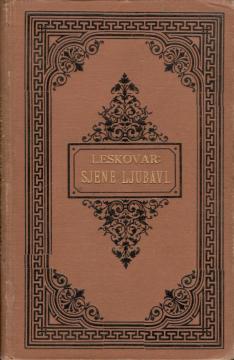
Ključni roman hrvatske modernosti. Leskovar prikazuje preosetljivog pisca Marsela Bušinskog, koji tone u pasivnoj dekadenciji u senke neostvarene, bolne ljubavi, introspekcije i mentalne slabosti. Prvo izdanje.
Senke ljubavi (1898) Janka Leskovara označavaju prelaz iz realizma u psihološku prozu sa modernističkim i dekadentnim karakteristikama. Spoljašnja radnja je minimalna, a centar je duboka analiza unutrašnjeg sveta protagoniste.
Glavni lik Marsel Bušinski je tipičan „Leskovarac“ - preosetljivi, pasivni intelektualac koji živi u senci prošlih emocija i neostvarenih čežnji (posebno za Ljerkom). Umesto akcije, on se prepušta introspekciji, melanholiji, očajanju i osećaju nemoći volje. Ljubav je ovde prikazana kao destruktivna „senka“ - nedostižna, bolna i osuđena na neuspeh, što junaka vodi u emocionalnu izolaciju i dekadenciju.
Leskovara je inspirisala Turgenjevljeva psihološka dubina i Šopenhauerov pesimizam. Stil je impresionistički: bogat čulnim utiscima, suptilnim promenama raspoloženja i atmosferom melanholije. Roman je kompaktan, fokusiran na unutrašnje monologe i suptilne sukobe modernog pojedinca na prelazu vekova.
Kao jedno od najčistijih dostignuća ranog hrvatskog modernizma, Senke ljubavi predstavljaju ključno svedočanstvo o krizi savremenog intelektualca i portret lika tipa „Leskovar“.
One copy is available