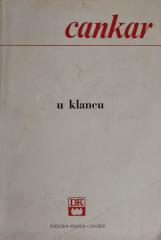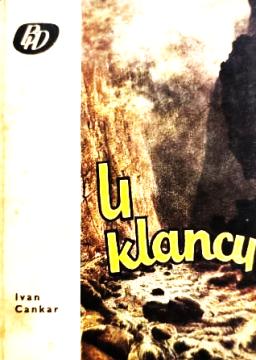
U klancu
Roman prati tragičnu sudbinu Francke, majke koja se kroz teški rad i žrtvovanje u siromašnom klancu uzalud bori da osigura bolju budućnost za svoju decu, oslikavajući socijalno propadanje i bezizlaz.
U klancu (Na klancu, 1902) jedno je od najznačajnijih dela slovenačkog književnika Ivana Cankara i vrhunski primer slovenačne moderne. Roman obradjuje potresnu priču o siromaštvu, socijalnoj nepravdi i nepokolebljivoj majčinskoj ljubavi. Radnja je smeštena na sirotinjsku periferiju (klanac) i usmerena je na život glatke i borbene žene Francke. Njen životni put obeležen je neuspesima, stradanjem i neprekidnom borbom za opstanak porodice nakon što je muž, krojač Lojze, napusti i prepusti bedi. Kroz lik Francke, Cankar stvara univerzalni simbol stradanja slovenačkog naroda i radničke klase sa početka 20. veka. Njena najveća nada usmerena je u sina Lojzeka, za koga veruje da će se školovanjem istrgnuti iz okova klanca i ostvariti bolji život. Međutim, tragični uvid romana leži u tome da je klanac više od fizičkog mesta — on je simbolička zamka i začarani krug iz koga se izuzetno teško izlazi. Uz izrazit socijalni angažman, Cankar u delu spaja naturalističke prikaze bede sa simboličkim i psihološkim elementima, stvarajući dirljivu i mračnu sliku neprekidnog ljudskog žrtvovanja i neostvarenih snova.
One copy is available
- Tragovi patine