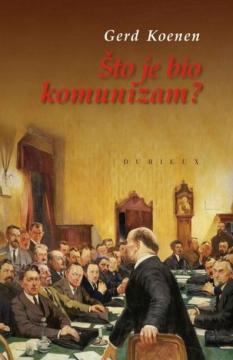
Što je bio komunizam?
Knjiga njemačkog povjesničara Gerda Koenena objašnjava uspon, totalitarnu prirodu i pad komunizma u 20. stoljeću, analizirajući njegove ideološke korijene, represiju i trajne historiografske dileme.
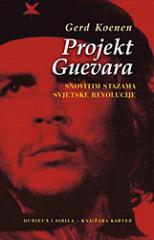
Djelo Što je bio komunizam? (Was war der Kommunismus?), njemačkog povjesničara i publicista Gerda Koenena (objavljeno u hrvatskom prijevodu 2011. godine u izdanju kuće Durieux), predstavlja sažetu, ali iznimno duboku analizu jednog od najutjecajnijih političkih i društvenih pokreta 20. stoljeća. Koenen, i sam nekadašnji sudionik lijevih studentskih pokreta, s vremenske i povijesne distance pristupa komunizmu kao globalnom fenomenu te ga dosljedno "historizira". Autor raščlanjuje kako je ideja općeg izjednačavanja i društvene pravednosti preoblikovana u sustave masovne represije, totalitarne kontrole i partijske diktature, s posebnim naglaskom na Sovjetski Savez pod Lenjinom i Staljinom te Maovu Kinu. Umjesto pukog kronološkog pregleda, Koenen se fokusira na ključna pitanja: zašto je komunistički projekt, unatoč krajnjem gospodarskom i humanitarnom slomu, privukao milijune sljedbenika i ostavio tako dubok trag u svjetskoj povijesti. Knjiga također analizira nasljeđe komunizma u suvremenom postkomunističkom svijetu, pružajući prijeko potreban analitički okvir za razumijevanje političkih radikalizama moderne ere.
One copy is available