Social literature
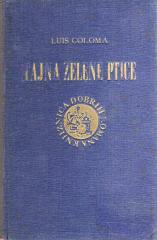
Tajna zelene ptice
The Secret of the Green Bird (1910) is a novel by Spanish writer and Jesuit Luis Coloma, an author also known for the story of Ratoncito Pérez, about a young man from a Spanish aristocratic family who grew up without a mother under the influence of a domi
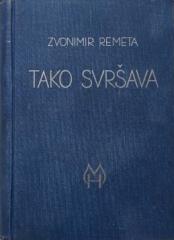
Tako svršava
A novel that thematizes the family complex, tense and unhealthy relationship between people, especially between parents and children.
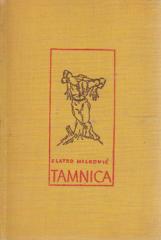
Tamnica: fragmenat naših mladih života
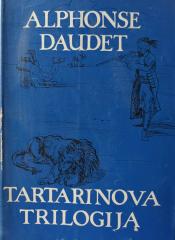
Tartarinova triologija - Čudesne pustolovine Tartarina Tarasconca
Alphonse Daudet's "Tartarine Trilogy" follows the adventures of the boastful Tartarine of Tarascon, whose fantasies of heroism and great exploits constantly clash with reality.
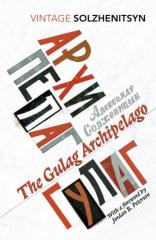
The Gulag Archipelago 1918-56: An Experiment in Literary Investigation
With a foreword by Jordan B. Peterson.
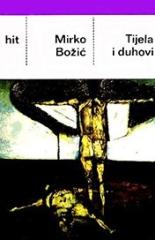
Tijela i duhovi
Bodies and spirits is the third part of the Kurlan trilogy by Mirko Božić, published in 1981, which follows the novels Kurlani (1952) and Neisplakani (1955).
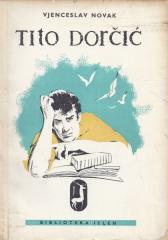
Tito Dorčić
A psychological-social novel about the inner struggle of a young man torn between personal desires and social expectations. Tito is the son of a wealthy, but spiritually cold and alienated patrician family, and grows up without maternal warmth and emotion
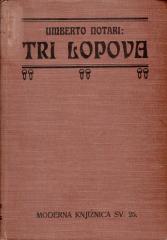
Tri lopova (Moj stric milijarder): Roman premodernih običaja
Three Thieves is a satirical novel about three thieves of different levels — from a petty thief to a prominent financial manipulator. A witty critique of society, morality, and capitalism with the subtitle "My Billionaire Uncle."
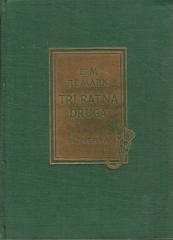
Tri ratna druga

Germany after World War I. Three inseparable war comrades struggle to survive amid poverty and inflation. In the chaos, one of them finds great love – but time is against them.
Literature
- A philosophical novel
- A war novel
- Adventure novel
- Albanian literature
- American literature
- Ancient literature
- Anthology
- Aphorisms and jokes
- Arabic literature
- Autobiographies and Memoirs
- Bosnian literature
- British literature
- Bulgarian literature
- Chinese literature
- Comedy
- Croatian literature
- Czech literature
- Detective Stories
- Documentary literature
- Dutch literature
- Eastern European literature
- Epic Fantasy
- Epic literature
- Epistolary literature
- Erotic Novels
- Essays and diaries
- Family novel
- Fantastic literature
- Folk literature
- Francuska književnost
- German literature
- Greek literature
- Hispanic American literature
- Historical novel
- History of literature
- Horror/Gothic
- Humor and Satire
- Hungarian literature
- Indian literature
- Iranian literature
- Irish literature
- Italian literature
- Japanese literature
- Jewish literature
- Latin literature
- Literary criticism
- Literary Theory
- Macedonian literature
- Montenegrin literature
- Moral and didactic literature
- Movie Script
- Novele
- Plays
- Poems in prose
- Poetry
- Polish literature
- Portuguese literature
- Proverbs and maxims
- Psychological novel
- Romance Novels
- Romanian literature
- Russian literature
- Sayings, thoughts, aphorisms, proverbs
- Scandinavian literature
- School reading
- Science Fiction
- Serbian literature
- Short Stories
- Short stories
- Slovak literature
- Slovenian literature
- Social literature
- Spanish literature
- Summaries and adaptations of literary works
- Teen Novels
- Thriller
- Tragedy
- Turkish literature
- Ukrainian literature