Political-historical essays
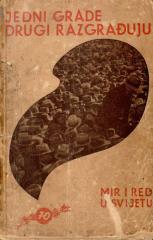
Jedni grade, drugi razgrađuju: Mir i red u svijetu
Some Build, Others Destroy: Peace and Order in the World presents accounts of the world's leading political and religious figures of the interwar period and their role in shaping peace, order, and contemporary ideological conflicts.
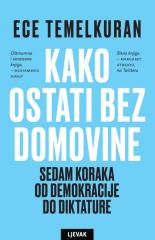
Kako ostati bez domovine: Sedam koraka od demokracije do diktature
In her book, Ece Temelkuran analyzes how societies are gradually sliding into authoritarianism. Through personal experiences and global examples, she reveals patterns of loss of freedom, compassion, and truth in the modern world.
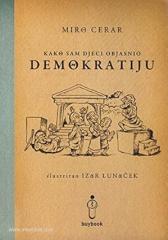
Kako sam djeci objasnio demokratiju
A book that deals with the concept of democracy from its origins in ancient Greece, through the dark ages of European history when it practically disappeared from the face of the earth, up to the present day.
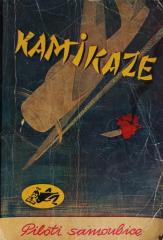
Kamikaze – Piloti samoubice
Vagenhals, known for his work on East Asian history and translations of Japanese texts, prepared this compilation as one of the first Yugoslav studies on the Japanese Tokkōtai special attack units in the final phase of the Pacific War.
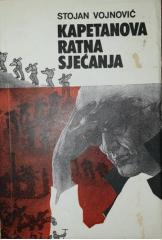
Kapetanova ratna sjećanja
Stojan Vojnović (1920-1994), a Croatian writer, journalist and participant in the National Liberation War, in his memoirs Captain's War Memories (1983) provides a deep, introspective look at the war events of World War II in Yugoslavia.
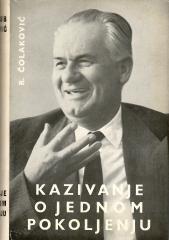
Kazivanje o jednom pokoljenju: Knjiga druga
Telling the Story of a Generation is a memoir trilogy by Rodoljub Čolaković that follows the path of Yugoslav communists between the two world wars, from emigration to the eve of World War II, through personal experience.
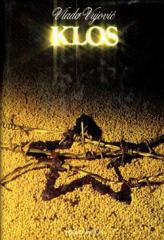
Klos: Hronika o konclogoru Klos u Albaniji 1941-1942
Klos is a harrowing chronicle by Vlado Vujović about the fates of prisoners in the infamous Italian concentration camp Klos in Albania during World War II (1941–1942).
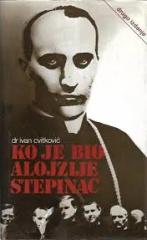
Ko je bio Alojzije Stepinac
A sociological-historical study in which Ivan Cvitković analyzes the activities of the Archbishop of Zagreb in the context of the Independent State of Croatia, World War II and the post-war period, relying on sources available at the time.

Kratka povijest ljudske rase
Michael A. Cook, Princeton professor of Islamic history, provides an overview of human history from the Neolithic to the fall of the Twin Towers in 2001 in this witty and intelligent synthesis, asking the key question: why did everything happen exactly th
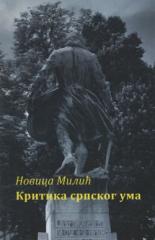
Kritika srpskog uma
The book's starting point is that the Serbs were not only caught up in the Enlightenment later than its European foray in the 18th century, but they resisted it even when it caught up with them. In the Balkans, history followed different paths, had differ