Ilustrirana povijest narodnooslobodilačke borbe u Jugoslaviji 1941-1945.
No copies available
The last copy was sold recently.

No copies available
The last copy was sold recently.

Are you interested in another book? You can search the offer using our search engine or browse books by category.
The author explores why Tito remains a popular symbol of stability, social security and independence, despite critical views of his regime. The book maps the cultural, political and everyday manifestations of "Titostalgia".
Sadik Salimović's Book of Srebrenica (2002) is a memoir of the city: from Ottoman settlement, Islamization and development to the war suffering of 1992–1995 and genocide. It preserves the identity and memory of life before and after the tragedy.
In the book, historian William Klinger investigates the origin and operation of OZNA - the brutal repressive apparatus of communist Yugoslavia, which monitored, imprisoned and liquidated political opponents.
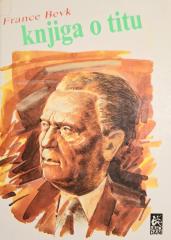
It is a work intended primarily for young people, written in a simple, accessible style, with the aim of creating a positive image of Tito as a revolutionary, statesman and leader of the national liberation struggle.
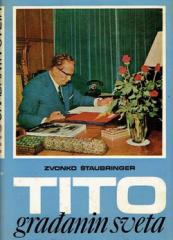
The book contains forewords by Indira Gandhi and Mitja Ribicic, and deals with Tito's humanistic vision, his efforts for peace, the challenges he faced, and his wisdom as a statesman.
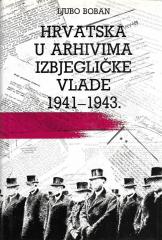
Academician Ljubo Boban, in his work Croatia in the Archives of the Government in Exile 1941–1943, brings together a collection of diplomatic reports from various European and international representative offices of the Yugoslav government in exile during