Nježni rat
One copy is available

One copy is available
Are you interested in another book? You can search the offer using our search engine or browse books by category.
"Eugénie Grandet" (1833), part of Balzac's Human Comedy, is a realistic novel that explores greed, family relationships, and the sacrifices of love in provincial French society.
Prosper Mérimée's novella, published in 1840, is set in Corsica and explores themes of revenge, honor, and the conflict between the traditional and modern worlds. The novella culminates in a tragic conflict, where love, duty, and violence intertwine.
The novel, whose original title is L'Homme de plâtre, explores complex human destinies through the story of a protagonist whose life symbolically reflects fragility and vulnerability, like plaster.
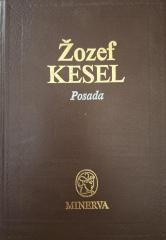
The novel is considered one of Kessel's most significant works, inspired by his experiences as a pilot during World War I.
This book focuses on one of the bloodiest events in French history – St. Bartholomew's Day in 1572, when thousands of French Protestants were massacred in Paris and across the country.