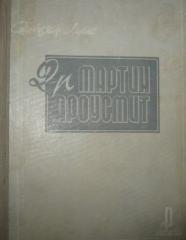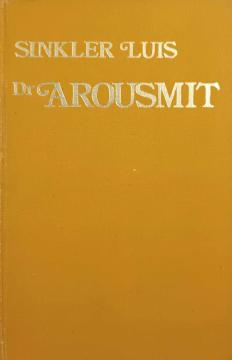
Dr Arousmit
Jedan od najboljih romana Sinclaira Lewisa. Satirična i dramatična priča o idealističkom liječniku Martinu Arrowsmithu koji se bori između čiste znanosti, medicinske etike i komercijalnog društva američke medicine 1920-ih.
Jedno od najvažnijih i najuspjelijih djela američkog nobelovca Sinclaira Lewisa, objavljeno 1925. godine. Roman je 1926. dobio Pulitzerovu nagradu za književnost (koju je Lewis odbio), a smatra se jednim od najsnažnijih prikaza sukoba idealizma i pragmatizma u modernom društvu.
Glavni junak, Martin Arrowsmith, ambiciozan je i idealistički mladi liječnik koji sanja o čistoj znanstvenoj istini i istraživanju. Kroz njegov život pratimo burni put od studija medicine, preko ruralne prakse, javnog zdravstva, velikih istraživačkih instituta pa sve do borbe s epidemijom kuge na Karibima. Arrowsmith se neprestano suočava s pritiscima: korupcijom u medicini, komercijalizacijom lijekova, birokracijom, karijerizmom i površnim društvenim očekivanjima.
Lewis majstorski secira američko društvo 1920-ih – posebno medicinski establishment, sveučilišta, farmaceutske tvrtke i malograđanski mentalitet. Roman je istovremeno oštra satira i duboko humanističko djelo koje postavlja vječna pitanja: može li se znanost sačuvati čistom u svijetu novca i moći? Koliko košta ostati vjeran idealima?
Uz Martina, važni su i likovi njegove supruge Leore (nježna i odana) te mentora Maxa Gottlieba, strogog znanstvenika koji utjelovljuje čistu predanost istini.
Dr. Arousmit smatra se Lewisovim najzrelijim i najuravnoteženijim romanom – manje karikaturalan od Babbitta, a dublji i dramatičniji od Glavne ulice. Kritičari ga često ističu kao jedno od najboljih djela američke književnosti 20. stoljeća o medicini, znanosti i etici.
Jedan primjerak je u ponudi