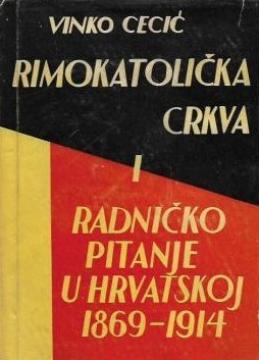
Rimokatolička crkva i radničko pitanje u Hrvatskoj 1869-1914
One copy is available
- The cover is missing
- Damaged back

One copy is available
Are you interested in another book? You can search the offer using our search engine or browse books by category.
Probably every historian sometimes feels the need to fantasize about the people they write about, to try to immerse themselves in the times that are the subject of their scientific research.
One of the most prominent Croatian cultural historians, Josip Horvat, in one of his best texts, not only describes the cultural achievements of Croats, but also analyzes them on the basis of political, social and other events that Croatian history is full
The collection brings together presentations and speeches from two HAZU conferences on the emergence of the modern Croatian state, with an emphasis on political decisions in 1990–1991, international circumstances, and the processes of shaping Croatian sta
The book analyzes how conflicting historical narratives about the suffering and mass emigration of Italians from Istria and Rijeka developed in Croatia and Italy after World War II (1943–1956), debunking myths and encouraging an empathetic approach to the
Nehajev's "Rakovica", in the edition edited by Blaž Jurišić, presents the Rakovica Rebellion, its causes and ideas. Nehajev did not finish the book due to his sudden death; it was completed and edited by Blaž Jurišić.
In his major work from 1910, Josip Bösendorfer provides an overview of Slavonian history with an emphasis on the past of the counties (Križevci, Virovitica, Požega, Baranja, Vukovo, Srijem) and the city of Osijek in the Middle Ages and the modern era.