Ružičasto raspeće III: Nexus

Ružičasto raspeće III: Nexus

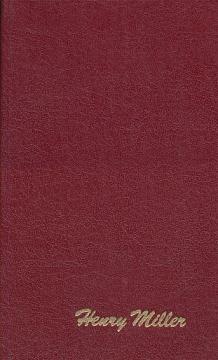
Henry Miller

Nexus (1960), der letzte Teil der Pink Crucifixion-Trilogie, setzt die autobiografische Erzählung von Sexus und Plexus fort. Der Roman folgt Millers Alter Ego im New York der 1920er Jahre und konzentriert sich auf seine innere Entwicklung, seine Beziehung

Der Protagonist lebt noch immer in einer unglücklichen Ehe mit Maude, während seine Beziehung zu Mara (inspiriert von June Mansfield) einen Höhepunkt emotionaler Komplexität erreicht. Mara bringt zusammen mit ihrer Geliebten Stasia Chaos in sein Leben und verwebt Liebe, Eifersucht und künstlerische Inspiration. Der Roman erforscht das Dreieck aus Liebe, Sexualität und emotionalen Konflikten, während der Protagonist versucht, seine Leidenschaften mit dem Bedürfnis nach spiritueller und künstlerischer Freiheit in Einklang zu bringen. Miller greift auf philosophische und mystische Reflexionen zurück und vertieft sich tief in die Themen Einsamkeit, Kreativität und Sinnsuche.

Der Stil ist introspektiv, poetisch und assoziativ, mit weniger expliziter Erotik als in Sexus, aber mit Schwerpunkt auf psychologischer Tiefe. Miller beschreibt die Bohème-Kreise New Yorks, seine Begegnungen mit Freunden und Künstlern und seine inneren Kämpfe bei der Vorbereitung seiner Abreise nach Paris und nimmt damit sein späteres Leben vorweg, das in The Reverse of Cancer beschrieben wird.

Nexus ist der Höhepunkt von Millers Auseinandersetzung mit künstlerischer Identität, Liebe und Freiheit. Der Roman schließt die Trilogie ohne endgültige Lösung ab und hinterlässt den Eindruck einer kontinuierlichen Suche nach Authentizität und Wahrheit durch die Kunst.

Original title
The Rosy Crucifixion III: Nexus
Translation
Mignon Mihaljević
Dimensions
20 x 13 cm
Pages
359
Publisher
Otokar Keršovani, Rijeka, 1978.
 
Latin alphabet. Hardcover.
Language: Croatian.

One copy is available

Condition:Used, excellent condition
 

Are you interested in another book? You can search the offer using our search engine or browse books by category.

You may also be interested in these titles

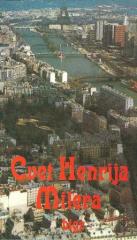
Cvet Henrija Milera

Cvet Henrija Milera

Henry Miller

The book Flower by Henry Miller is based on a selection from the best and most attractive works of this writer, following the chronological sequence in Miller's writing, giving Miller's most artistically mature pages.

BIGZ, 1988.
Serbian. Latin alphabet. Paperback.
5.32
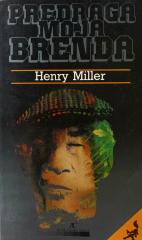
Predraga moja Brenda

Predraga moja Brenda

Henry Miller

Henry Miller's Love Letters to Brenda Venus. If you're looking for Miller's raw passion in a tender epilogue, this is an emotional glimpse into the heart of a rebel—touching, witty, and compelling.

August Cesarec, 1987.
Croatian. Latin alphabet. Paperback.
4.32
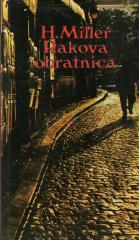
Rakova obratnica

Rakova obratnica

Henry Miller

This is an accusation, a slander, a personal insult. This is not a book, in the ordinary sense of the word. No, this is a continuous insult, a spit in the face of Art, a foot in the tur against God, Man, Fate, Time, Love, Beauty...whatever you want.

Sveučilišna naklada Liber (SNL), 1981.
Croatian. Latin alphabet. Hardcover with dust jacket.
6.30 - 7.56
Jemeljan Pugačov : historijski roman

Jemeljan Pugačov : historijski roman

Vjačeslav Šiškov
Nakladni zavod Hrvatske, 1948.
Croatian. Latin alphabet. Hardcover.
The book consists of two volumes
4.99
Jastrebov kljun

Jastrebov kljun

Karl May
Otokar Keršovani, 1964.
Croatian. Latin alphabet. Paperback.
3.96
Izgubljeni simbol

Izgubljeni simbol

The novel The Lost Symbol (2009), the third in the Robert Langdon series after Angels & Demons and The Da Vinci Code, is a suspenseful thriller by Dan Brown set in Washington, D.C., within a 12-hour time frame.

V.B.Z, 2009.
Croatian. Latin alphabet. Paperback.
7.46