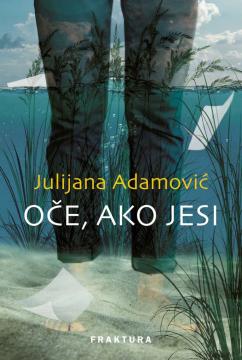
Oče, ako jesi
„Oče, ako jesi“ Julijane Adamović je snažna porodična saga o potrazi za ocem, identitetom i istinom, ispisana kroz sudbine žena i muškaraca u vihoru istorije, u srcu Panonije, gde zemlja rađa i sahranjuje.
Kada 1965. godine, spasavajući ljude iz poplavljenog sela, mladi rezervista Damjan Knežević naiđe na vredni ručni sat iz Drugog svetskog rata i gomilu dokumenata, veruje da je pronašao trag svog oca. Prateći tragove u dnevnicima i papirima više od dvadeset godina, tragaće za ocem, a zapravo će sklopiti priču o Palu Nađu. Priču koja bi mogla biti i sudbina njegovog oca, njemu nepoznata. Vojvođanski Mađar Nađ imao je tri sina sa tri različite žene – Švabkinjom, Mađaricom i Hercegovkinjom, sve tri su na ovaj ili onaj način nosile ime Tomo, a on je za sebe sanjao velike snove, koje nikada nije ostvario. Sudbina Pala Nađa, njegovih žena, majke i dece je sudbina onih kojima se igra vihor istorije, onih koji veruju u bolju budućnost koja će trajati do sledećeg rata, sledeće revolucije. Julijana Adamović napisala je veličanstven roman o Panoniji – crnoj zemlji koja rađa i sahranjuje. „Otac, ako jesi“ je netipična porodična saga, sjajan roman o ženama i muškarcima, o političkim funkcionerima, o običnim ljudima, ali pre svega o sinovima koji ostaju bez očeva i celog života tražeći ih umesto da krenu svojim, drugačijim, putem.
„Nije prošlo ni punih osam godina pre nemarnog košenja, pre očeve izdaje jer, pomisli Pal, kako se drugačije može nazvati taj kukavičluk i sebično bekstvo - zloba kojom tvoj otac, čak i mrtav, pokušava da te ukroti, da te motikom veže za puste redove kukuruza - ne samo konja koji je ostao, već i one koji ga uporno pribijaju za strnište i oranice svojim odsustvom: Miška i Janija. Tako je: padali su i saginjali se. Ali, on će im pobeći. Tako je bilo i u aprilu 1941. godine, kada ga je rat zatekao pred kraj njegovog roka u staroj vojsci, i bio je ranjen u ruku i lice od Švaba. „Nemojte mi govoriti na srpskom“, rekao je dvojici kolega, a bio je najbolji: šegrtovao ih je kod Kluga Ota, švapski jezik i pominjanje Kluga. spasili su logor. Ostali su tamo završili. Njih pred kamerama. Ostatak rata proveo je pod zaštitom šefa Ota, daleko od metaka i rovova,“ računajući kako će trajati do kraja.“
One copy is available