Iskra života
Spark of Life follows a group of inmates in a Nazi concentration camp who, despite the constant terror, retain their moral strength and humanity. The novel depicts the struggle of the spirit against systematic destruction and the need for hope.
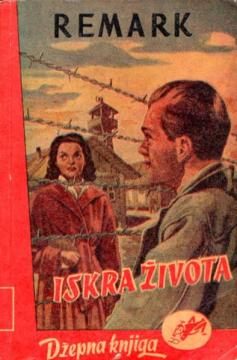
The Spark of Life by Erich Maria Remarque is a powerful anti-war novel set in a concentration camp during the final months of World War II. The plot focuses on “Block 6,” a section for political prisoners that the Nazi regime considered particularly dangerous. The prisoners are tormented by starvation, disease, forced labor, and daily humiliations, but despite everything, they remain firmly bound by the idea of resistance and the belief that human dignity can survive even in the worst conditions.
The central character, known only as “509,” is severely weakened but mentally unshakable. Through his thoughts and brief but impressive interactions with other camp inmates, Remarque depicts the small gestures of solidarity, defiance, and courage that keep the prisoners alive. The novel also follows the dynamics within the camp: the brutality of the guards, the indifference of the commandant, and the collapse of the system as the war draws to a close.
At the same time, outside the camp, a resistance movement is growing, and the merging of these two worlds culminates in the moment of liberation. Remarque describes how the greatest struggle is not just physical survival, but also the preservation of the “spark of life” – the inner will that gives a person meaning and identity even in the face of death.
The work is an indictment of totalitarianism and dehumanization, but also an ode to the resilience of the human spirit. Through brutal scenes and emotional introspection, Remarque reminds us that humanity is most clearly seen when it is most difficult to preserve.
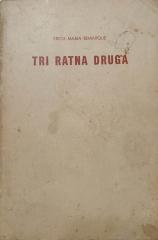
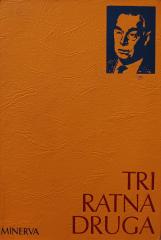
Two copies are available