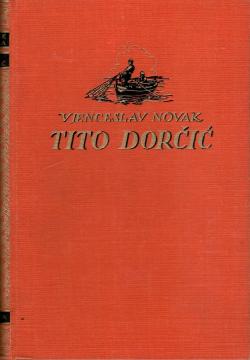
Tito Dorčić
Tito Dorčić prati tragičnu sudbinu sina senjskog ribara kojeg otac šalje na studij prava u Beč. Rastrgan između obiteljske tradicije, društvenih očekivanja i vlastite naravi, Tito doživljava unutarnji slom i propast.
Tito Dorčić (1906.) posljednji je roman Vjenceslava Novaka, objavljen posmrtno. U izdanju priređenom od Slavka Ježića (9. svezak Sabranih djela, Minerva, 1933.), ovo je snažno realističko-naturalističko djelo s motivima Senja i njegove okolice.
Roman prati život Tita Dorčića, potomka stare i ugledne ribarske obitelji u Senju. Otac Andrija, ambiciozan poglavica ribara, želi sinu bolju budućnost pa ga šalje na studij prava u Beč. Tito, darovit ali osjetljiv mladić, nalazi se u sukobu između očevih težnji, gradske sredine i vlastite prirode vezane uz more i jednostavan život. Roman prikazuje njegovo školovanje, povratak u Senj, bračne i društvene teškoće te postupno psihičko propadanje.
Djelo ističe utjecaj naslijeđa, sredine i društvenih očekivanja na sudbinu pojedinca (biološki i socijalni determinizam). Novak ovdje prelazi u naturalistički pristup, pokazujući kako neodgovarajuće obrazovanje i tuđa sredina mogu uništiti čovjeka. Bogati su opisi senjskog života, mora, ribarskih običaja i psiholoških stanja glavnog junaka.
Tito Dorčić smatra se jednim od najtragičnijih Novakovi romana, s dubokom kritikom ambicija „malog čovjeka“ i konzervativnog društva. Vrijedno je svjedočanstvo hrvatskog realizma na prijelazu u 20. stoljeće i važan dio autorova opusa uz Posljednje Stipančiće.
One copy is available