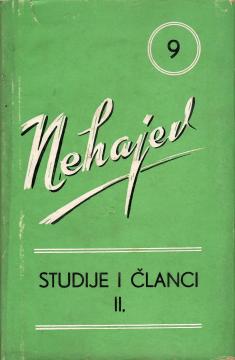
Studije i članci II.

Knjiga sadrži autorove važne eseje o Ivanu Mažuraniću (kancelaru i banu), Vladimiru Mažuraniću te o stogodišnjici Hrvatskog narodnog preporoda. Značajno nacionalno-kritičko i povijesno-esejističko izdanje.
Studije i članci II. (1944.) donosi izbor autorovih dubokih esejističkih radova u kojima se Nehajev okreće hrvatskoj nacionalnoj povijesti, preporodnoj misli i značajnim ličnostima 19. stoljeća.
U središtu ovog sveska nalaze se studije posvećene obitelji Mažuranić. Nehajev piše opsežan i psihološki prodoran esej o Ivanu Mažuraniću, kancelaru i banu, prikazujući ga ne samo kao velikana hrvatske književnosti (Smrt Smail-age Čengića) i političara, nego i kao složenu ličnost – intelektualca, državnika i čovjeka suočenog s teškim povijesnim okolnostima. Posebnu pozornost posvećuje i Vladimiru Mažuraniću, njegovom sinu, pravniku, povjesničaru i političaru, ocrtavajući kontinuitet mažuranićevske intelektualne tradicije u hrvatskom javnom životu.
Treći ključni rad je esej o stogodišnjici Hrvatskog narodnog preporoda. Nehajev ovdje daje osobnu i kritičku refleksiju o značenju Preporoda, njegovim idejama, glavnim protagonistima i dostignućima, ali i o razočaranjima koja su uslijedila. Analizira duh vremena, nacionalno buđenje, jezično pitanje i kulturnu borbu, uvijek s naglaskom na odnos između idealâ i stvarnosti.
Karakteristično za Nehajeva, svi ovi radovi nisu suhoparne povijesne studije, već živi, analitički i psihološki profilirani eseji. On majstorski spaja književni pristup s povijesnim i političkim promišljanjem, ističući unutarnje sukobe ličnosti, generacijske napetosti i trajne dileme hrvatske nacionalne politike. Stil je elegantan, zreo i suptilno kritički, s dubokim razumijevanjem povijesnih procesa i ljudskih motiva.
Ovo izdanje iz 1944. godine dio je Sabranih djela Milutina Cihlara Nehajeva (1880.–1931.) i danas predstavlja rijetkost na antikvarnom tržištu. Knjiga je posebno vrijedna jer pokazuje drugu, nacionalno-povijesnu stranu Nehajevljeva opusa, koja nadopunjuje njegove romane, novele i književne kritike.
Two copies are available
Copy number 2
- Nedostaje ovitak