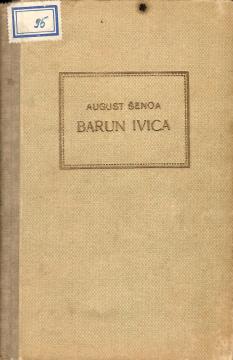
Barun Ivica
Baron Ivica prikazuje raspad seljačke zadruge nakon ukidanja kmetstva. Baron Ivica, neozbiljan plemić, eksploatiše seljake, što dovodi do njihovog moralnog i materijalnog pada. Šenoa kritikuje prelazno društvo.
Kratka priča Baron Ivica Augusta Šenoe objavljena je 1874. godine. Jedno je od ključnih dela u Šenoinom ciklusu savremenih kratkih priča, u kojima autor obrađuje društvene promene u Hrvatskoj 19. veka. Delo je posebno važno jer realistično prikazuje posledice ukidanja feudalizma i kmetstva na selu oko Zagreba.
Glavna tema je raspad tradicionalne seljačke zadruge (zajedničke porodične farme) pod uticajem novog buržoaskog i kapitalističkog poretka. Nakon što su seljaci oslobođeni feudalnih obaveza, stari kolektivni način života je počeo da se urušava. Pojedinci su postajali ranjivi na eksploataciju, pohlepu i moralno propadanje. Šenoa kroz priču pokazuje kako sloboda bez obrazovanja, solidarnosti i jakih moralnih vrednosti može dovesti do novih oblika ropstva – ovog puta ekonomskog i duhovnog.
Centralni lik je Baron Ivica, tipičan predstavnik opadajućeg plemstva: neozbiljan, rasipnički, egoističan i spreman da eksploatiše seljake koji su formalno slobodni, ali i dalje ekonomski zavisni. Njegovo ponašanje simbolizuje prelazni period u kome stari feudalni odnosi nestaju, a novi buržoaski još nisu doneli pravedniji poredak. Seljaci u priči suočavaju se sa podelama unutar zadruge, gubitkom zajednice, siromaštvom i iskušenjima novca i individualizma.
Ovde Šenoa već snažno najavljuje realizam u hrvatskoj književnosti: ističe društvenu kritiku, psihološku motivaciju likova i verno prikazivanje društvenih odnosa (selo - grad, plemić - seljak, tradicija - modernizacija). Delo nije samo opis događaja, već i moralna parabola o potrebi obrazovanja, harmonije i etičkih vrednosti u novim vremenima. Kritikuje i plemstvo koje se nije prilagodilo promenama, i seljake koji nisu bili spremni za samostalan život.
U kontekstu Šenoinog opusa, Barun Ivica stoji uz dela kao što su Prosjak Luka, Prijana Lovra ili Branka – koja sva istražuju odnose sela i grada, klasne sukobe i ljudske slabosti u periodu modernizacije. Barun Ivica je snažna društvena kritika, ali i poziv na odgovornost i napredak – tipično za Šenou, koji je verovao u obrazovanje i nacionalno buđenje kao lek za društvene probleme.
No copies available
The last copy was sold recently.