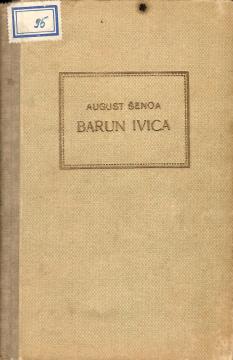
Barun Ivica
Barun Ivica prikazuje raspad seljačke zadruge nakon ukidanja kmetstva. Barun Ivica, lakomisleni plemić, iskorištava seljake, dovodeći do njihova moralnog i materijalnog propadanja. Šenoa kritizira prijelazno društvo.
Barun Ivica Augusta Šenoe pripovijetka je objavljena 1874. godine. Riječ je o jednom od ključnih djela iz Šenoina ciklusa suvremenih pripovijesti kojima autor tematizira socijalne promjene u Hrvatskoj 19. stoljeća. Djelo je posebno važno jer realistički prikazuje posljedice ukidanja feudalnog uređenja i kmetstva na selu oko Zagreba.
Glavna tema je raspadanje tradicionalne seljačke zadruge (zajedničkog obiteljskog gospodarstva) pod utjecajem novog građanskog i kapitalističkog poretka. Nakon oslobođenja seljaka od feudalnih obveza, stari kolektivni način života počinje se urušavati. Pojedinci postaju ranjivi na iskorištavanje, pohlepu i moralno propadanje. Šenoa kroz priču pokazuje kako sloboda bez obrazovanja, solidarnosti i čvrstih moralnih vrijednosti može dovesti do novih oblika ropstva – ovaj put ekonomskog i duhovnog.
Središnji lik je barun Ivica, tipičan predstavnik propadajućeg plemstva: lakomislen, rasipan, egoističan i spreman iskorištavati seljake koji su formalno slobodni, ali još uvijek ekonomski ovisni. Njegovo ponašanje simbolizira prijelazno razdoblje u kojem stari feudalni odnosi nestaju, a novi građanski još nisu donijeli pravedniji poredak. Seljaci u priči suočavaju se s podjelama unutar zadruge, gubitkom zajedništva, siromaštvom i iskušenjima novca i individualizma.
Šenoa ovdje već snažno najavljuje realizam u hrvatskoj književnosti: naglašava socijalnu kritiku, psihološku motivaciju likova i vjerni prikaz društvenih odnosa (selo – grad, plemić – seljak, tradicija – modernizacija). Djelo nije samo opis događaja, već i moralna parabola o potrebi za prosvjetom, slogom i etičkim vrijednostima u novim vremenima. Kritizira i plemstvo koje se nije prilagodilo promjenama, i seljake koji nisu bili spremni za samostalan život.
U kontekstu Šenoina opusa, Barun Ivica stoji uz bok djelima poput Prosjaka Luke, Prijana Lovre ili Branke – svi oni istražuju odnose sela i grada, klasne sukobe i ljudske slabosti u razdoblju modernizacije. Barun Ivica je snažna društvena kritika, ali i poziv na odgovornost i napredak – tipično za Šenou, koji je vjerovao u prosvjetu i nacionalno buđenje kao lijek za društvene boljke.
Nema primjeraka u ponudi
Poslednji primjerak je nedavno prodan.