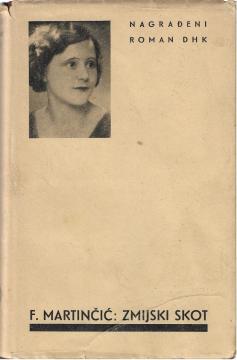
Zmijski skot: roman iz današnjeg života
Socijalni roman Fedy Martinčić „Zmijski skot“ prikazuje težak život radničke klase u velikim gradovima, siromaštvo, moralni pad i sudbine obespravljenih. Naturalistički prikaz suvremenog društva.
Zmijski skot: roman iz današnjeg života je treći roman hrvatske književnice Fedy Martinčić (Sinj, 1902. – Zagreb, 1982.), koja se na književnoj sceni pojavila 1928. romanom Njezina sudbina.
Roman pripada žanru socijalnog romana međuratnog razdoblja. Autorica naturalistički, s primjesama pesimizma, prikazuje mučan život radničke klase u velikom gradu, fokusirajući se na siromaštvo, eksploataciju, moralno propadanje, alkoholizam, prostituciju i teške obiteljske prilike. Naslov Zmijski skot metaforički sugerira otrovnu, degeneriranu sredinu u kojoj se rađaju i žive obespravljeni slojevi društva.
Djelo se ističe realističkim prikazom svakodnevice nižih društvenih slojeva, s naglaskom na ženske sudbine, obiteljske drame i utjecaj ekonomskih prilika na moral i ljudske odnose. Kritika ga je primila mješovito: jedni su ga hvalili zbog angažiranosti i tematike radničkog pitanja, dok ga je dio književne scene (npr. Slavko Kolar u polemici) smatrao diletantskim. Unatoč tome, roman je 1936. dobio nagradu Društva hrvatskih književnika, što svjedoči o njegovoj vidljivosti u tadašnjoj književnoj javnosti.
Fedy Martinčić pisala je u tradiciji realističko-naturalističke proze s utjecajima europskih uzora (primjerice Émile Zola). Njezin stil je izravan, društveno angažiran i usmjeren na probleme žena, braka, majčinstva i klasnih razlika. U Zmijskom skotu nastavlja se baviti temama koje su je zaokupljale – položajem žene u patrijarhalnom društvu i utjecajem siromaštva na ljudsku sudbinu.
Knjiga predstavlja važan, iako danas slabije poznat, prilog hrvatskoj međuratnoj socijalnoj književnosti. Kao i ostala djela Fedy Martinčić, nakon 1945. bila je marginalizirana, zbog neuklapanja u socrealistički kanon, a ponovno se pojavljuje tek u antikvarnim krugovima i istraživanjima ženske književnosti. Zmijski skot dokument je vremena koji svjedoči o društvenim kontrastima Kraljevine Jugoslavije i pokušajima književnica da progovore o problemima radničke klase i ženske emancipacije.
Jedan primjerak je u ponudi
- Nedostaje ovitak