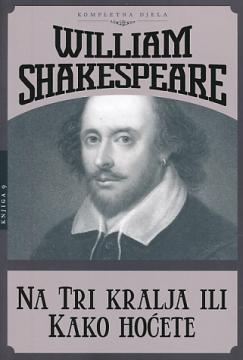
Na Tri kralja ili Kako hoćete
Famous renaissance comedy by W. Shakespeare. Through confusions, disguises, identity swaps and love entanglements at the court in Illyria, he explores the themes of love, illusion, madness and human nature.
"Twelfth Night, or What You Will" (written around 1601) is one of the most popular, most performed, and most playful comedies by the English playwright William Shakespeare. The title's allusion to the twelfth night after Christmas (the feast of Epiphany) evokes the atmosphere of traditional Renaissance carnivals, a period in which the rules of everyday life are relaxed and the world is briefly turned "upside down". The plot is set in the romantic and exotic Illyria, where a young noblewoman, Viola, arrives after a shipwreck. Believing that her twin brother Sebastian has perished in the waves, Viola disguises herself as a young man named Cesare and enters the service of Duke Orsino. Orsino is unhappily in love with the rich Countess Olivia, but events take an unexpected turn: Viola falls in love with Orsino, while Countess Olivia, fascinated by the stature and eloquence of the new messenger, falls in love with the disguised Viola (Caesaria). The main love triangle is further complicated by the sudden arrival of the surviving brother Sebastian. Parallel to the main plot, one of the most famous secondary comic episodes in Shakespeare's work takes place - a prank that Olivia's household (Knight Toby Belch, Knight Andrew Aguecheek and maid Maria) stage on the conceited and rigorous estate manager Malvolio. Filled with witty dialogues, the song of the fool Festea and masterfully intertwined motifs of mistaken identity, the comedy "Three Kings" is a beautiful, and at times melancholic meditation on the impermanence of love, the illusions we are slaves to and the unpredictability of human feelings.
One copy is available