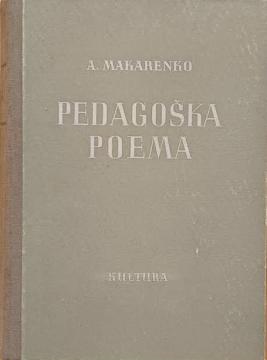
Pedagoška poema
A novel based on the experiences of the Soviet educator Makarenko regarding the rehabilitation of abandoned and delinquent youth through shared work, collective living, discipline, and the development of personal responsibility.
Anton Semyonovich Makarenko’s The Pedagogical Poem is an autobiographically inspired novel and one of the most renowned works of Soviet pedagogical literature. Written during the 1930s, it is based on the author’s experience working with abandoned children, the homeless, and juvenile delinquents at the Maxim Gorky Colony, an educational institution established in the wake of the Russian Revolution and the Civil War.
The work follows a young educator’s efforts to forge an organized community out of a group of distrustful, traumatized, and socially marginalized adolescents. Confronted with violence, resistance to authority, and a lack of basic living necessities, Makarenko gradually develops an educational system grounded in shared labor, collective responsibility, discipline, and mutual respect.
Rather than relying on mere punishment, he emphasizes the importance of trust, productive work, self-governance, and the active participation of young people in shaping their own futures. Through vivid characters, dialogue, conflict, and often humorous episodes, the book portrays the complexities of the educational process and the gradual transformation of the individuals involved.
The Pedagogical Poem serves simultaneously as a literary testament to social conditions in the early Soviet Union and as an exposition of a pedagogical philosophy that views the individual in relation to the collective. The work raises questions regarding the limits of educational authority, freedom, discipline, and social responsibility, remaining significant to the history of pedagogy and ongoing discussions about the upbringing of young people.
One copy is available