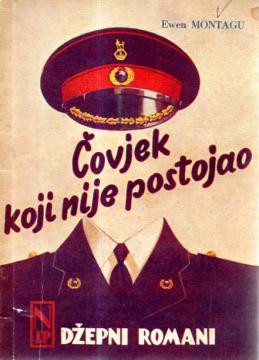
Čovjek koji nije postojao
No copies available
The last copy was sold recently.

No copies available
The last copy was sold recently.

Are you interested in another book? You can search the offer using our search engine or browse books by category.
The book describes how the Western Balkans, after initial democratic hopes in the 2000s, slipped into competitive authoritarianism. It explains the mechanisms of "strongman" rule, the role of EU stabilocracy and why democracy does not consolidate.
The author explores why Tito remains a popular symbol of stability, social security and independence, despite critical views of his regime. The book maps the cultural, political and everyday manifestations of "Titostalgia".
The collection brings together scholarly works on key political, legal, and diplomatic processes that led to the creation of the Croatian state in 1991, analyzing the decisions, actors, and international circumstances crucial to independence.
A classic work by one of the most influential sociologists of the 20th century, the founder of "figurative" or "process" sociology. The book is a programmatic manifesto against the then dominant structural-functionalist paradigm (Parsons) and pure positiv
Spread and limitations of cultural policy
The book deals with the problem of land rent in the context of the transition of the socio-economic system, with a focus on agrarian relations and socialist development. An important work for understanding agrarian reforms and economic dilemmas in sociali