Slavonijo, zemljo plemenita: narodni običaji, pjesme, kola i poskočice
No copies available
The last copy was sold recently.
No copies available
The last copy was sold recently.
Are you interested in another book? You can search the offer using our search engine or browse books by category.
Zdenka Lechner, the first ethnologist at the Museum of Slavonia (1951–1965), made significant contributions to the study of the traditional culture of Slavonia, including the use of pokljuc – earthen lids for baking bread and pastries on the hearth.
A classic of local historiography, it depicts the history, geography and culture of the Požega Valley from prehistoric times to the modern era. The work describes the region's strategic position, the influences of the Romans, Ottomans and Habsburgs, with
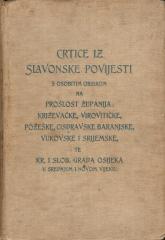
In his major work from 1910, Josip Bösendorfer provides an overview of Slavonian history with an emphasis on the past of the counties (Križevci, Virovitica, Požega, Baranja, Vukovo, Srijem) and the city of Osijek in the Middle Ages and the modern era.
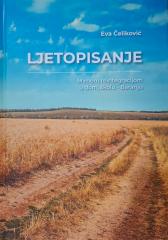
Chronicling Peaceful Reintegration into Home, School, and Baranja (2021) is a local chronicle / personal record of the process of peaceful reintegration of the Croatian Danube region (especially Baranja) and the return of displaced persons to their homes
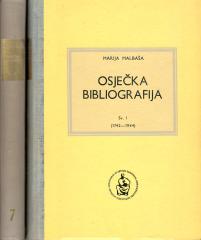
The capital bibliography of printing and publishing activities in Osijek from 1742 to 1978 lists thousands of books, newspapers, magazines and small print, regardless of language. A classic of Croatian bibliographic creativity of the 20th century.
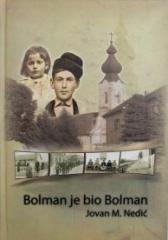
Monograph on the Baranja village of Bolman. The book has three main parts: "From the history of the village and the church municipality", "Bolman was Bolman – Vidoja Bijelić's memories" and "Ledari", with a description of Bolman's customs and mentality.