Antique books
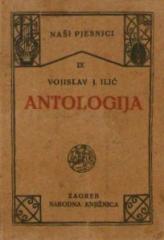
Antologija pjesama Vojislava Ilića
The anthology is a carefully selected collection of lyrical poems by one of the most important Serbian poets of the late 19th century. The selection of poems was made by Croatian writer Milan Begović, while the foreword was written by the distinguished li
Antologija sriemskih pisaca
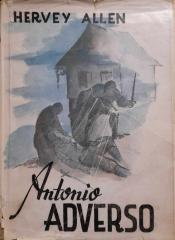
Antonio Adverso: Poviestni roman iz vremena napoleonskih ratova
Anthony Adverse (1933) is a novel by American writer Hervey Allen. It consists of three "volumes", published here in one volume: The Roots of the Tree, The Second Bronze Boy, and The Lonely Twin, each volume containing three "books", making a total of nin
Argonauti: pričanja siromašnih ljudi
The book shows the life of two poor friends, unemployed clerks Dominik Vrabec and Martin Mak, who wander in search of work and bread in the difficult interwar years, carrying the burden of misery, longing and a little man.

Arno Breker: Ausstellung in der Orangerie Paris 1942
A small accompanying booklet, also a catalog for the exhibition from August 2 to 31, 1942 in occupied Paris. Photos by Charlotte Rohrbach and Marc Vaux. Black and white illustrations, partly over the entire page. Rare edition.
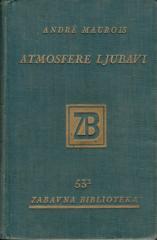
Atmosfere ljubavi
The novel subtly and psychologically depicts three love stories/"atmospheres" through the relationship between a man and a woman, analyzing different forms of love, marital crises, jealousy, boredom and the impossibility of complete understanding between
Bajram žrtava: novele
Bajram žrtava (1931), the literary debut of Alija Nametka, is a collection of short stories in which the author, with warmth, nostalgia, and vivid colors, depicts the life of Bosnian Muslims and the drama of the traditional world in the face of new times.
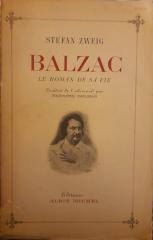
Balzac, le roman de sa vie

Zweig's Balzac, le roman de sa vie, published posthumously in 1946, provides a profound and passionate account of the life of Honoré de Balzac, one of Europe's greatest writers. Printed softcover, partially uncut Limited edition, numbered.
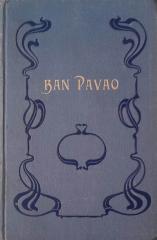
Ban Pavao - historijska drama u 5 činova (8 slika)
The historical drama about Ban Pavle Šubić of Bribir depicts the struggle for power in Croatia and Dalmatia at the beginning of the 14th century, combining political conflicts, personal ambitions, and statesmanship vision.

Bez tišine!
Vještice – Bez Tišine! original audio cassette is one of the rarest Croatian rock releases, released in 1991 by the Osijek-based independent record label Plavi pilot.