Antikvarne knjige
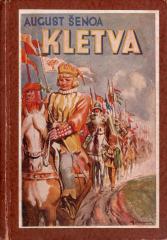
Kletva 3

Kletva 3 (Knjiga 13 Sabranih dela) Augusta Šenoe je nastavak epskog istorijskog romana o 14. veku, sukobima između Kaptola i Griča, pobuni plemića protiv kralja Žigmunda i sudbinama likova pod teretom kletve vladike Pavla.

Kletva 4
Kletva 4 (knjiga 14 Sabranih dela) je završni deo epskog istorijskog romana. Sukobi Kaptola i Griča, pobuna plemića protiv kralja Žigmunda i posledice vladičine kletve kulminiraju dramatičnim raspletom punim intriga, bitaka i istorijskih previranja.

Klotzkubaturen – Kubični sadržaj klada (3 decimale)
A professional publication intended for the timber industry, forestry and timber trade. These are practical tables for quick calculation of the cubic capacity of round logs (logs) based on diameter and length, with an accuracy of three decimal places.

Knez Miloš u pričama
"Prince Miloš in Stories" is a collection of 285 anecdotes and testimonies about Prince Miloš Obrenović. The short stories depict his character, political skills, cunning, humor, and role in the creation of modern Serbia.

Knjiga bez predgovora
Zbirka humorističkih priča, skečeva, novela i satiričnih spisa sa ilustracijama Slavka Voroša. Lagana, duhovita proza o zagrebačkoj buržoaziji i malograđanstvu.
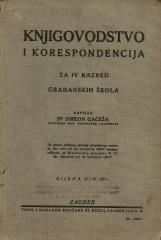
Knjigovodstvo i korespondencija: za IV razred građanskih škola zanatsko-industrijskog i poljoprivrednog pravca
The textbook "Bookkeeping and Correspondence" by Simeon Gaćeša for the 4th grade of civic schools (craft-industrial and agricultural majors) is a practical guide through the basics of bookkeeping and business correspondence.

Književni časovi
Lujo Vojnović's Literary Lessons are a collection of literary and historical essays in which the author explores the identity of Dubrovnik and the South Slavic region through Dubrovnik themes, historical figures, and political upheavals.

Književnost
A classic work of comparative literature in which Fernand Baldensperger considers the nature, development and social role of literature and its connections with national and European cultural trends.

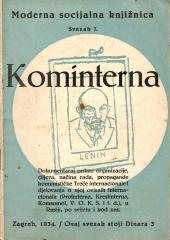
Kominterna
Comintern (1934) depicts the emergence, organization, and activities of the Communist International and warns of its revolutionary goals and international influence from the perspective of Catholic social thought.