Literature
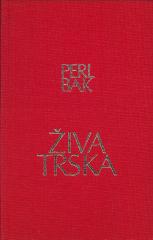
Sabrana dela 20: Živa trska
„Das lebende Schilfrohr“ (1963) ist ein epischer historischer Roman, in dem der Autor die turbulente Geschichte Koreas vom Ende des 19. Jahrhunderts bis zum Ende des Zweiten Weltkriegs (1881–1945) anhand der Schicksale von vier Generationen der aristokrat
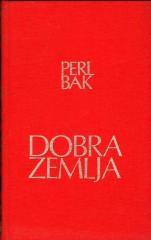
Sabrana dela 2: Dobra zemlja
Pearl S. Buck depicts the life of Chinese peasant Wang Lung, his rise from poverty to wealth, and the disintegration of family ties. The novel explores the relationship between man and land, tradition, social change, and moral challenges.
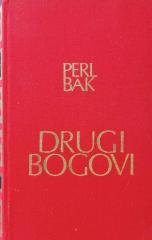
Sabrana dela 3: Drugi bogovi
The novel Other Gods is a satirical and psychological story about the American cult of celebrity, idolatry, and the need of the masses to create "gods" out of ordinary people.
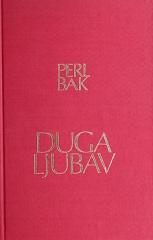
Sabrana dela 4: Duga ljubav
Edward "Ned" Haslatt loves his wife Margaret devotedly, but their marriage is a silent battle between his idealized devotion and her sharp, level-headed pragmatism—a search for a love that matures, not burns out.
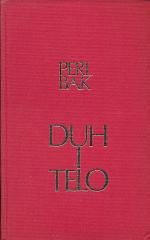
Sabrana dela 5: Duh i telo (Izgnanstvo / Ratoborni anđeo)
In two memorial portraits, Buck writes about his mother Caroline, a lonely and imaginative exile, and his father Absalom, a stern missionary-warrior—two contrasting souls in the shadow of China.
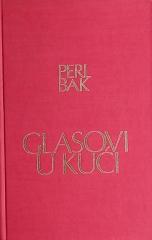
Sabrana dela 6: Glasovi u kući
In the patrician Asher family, longtime servants and their daughter Jessica live in the shadow of their master; when the girl gets out of control, the stability of the house collapses.
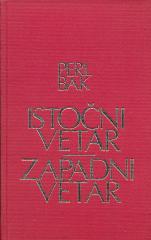
Sabrana dela 7: Istočni vetar – zapadni vetar
"East Wind, West Wind" (1930) is one of Pearl S. Buck's early novels. In an arranged marriage to a Western-educated husband, young Kwei-lan slowly abandons tradition and discovers love in the clash of two cultures.
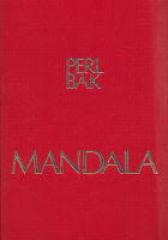
Sabrana dela 9: Mandala
Mandala ist einer der reifsten und spirituellsten Romane von Pearl S. Buck, ein seltenes Werk, das in Indien spielt. Der Titel Mandala (Symbol der Ganzheit) spiegelt perfekt den Kern der Geschichte wider: die Suche nach Sinn, Ganzheit und Versöhnung der G
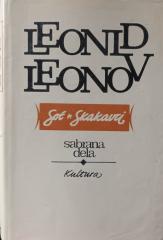
Sabrana dela Leonida Leonova - Soć, skakavci
Der Roman schildert die sozialen und moralischen Veränderungen in Russland nach der Revolution.
Literatur
- Ein philosophischer Roman
- Ein Kriegsroman
- Abenteuerroman
- Albanische Literatur
- Amerikanische Literatur
- Antike Literatur
- Anthologien
- Aphorismen und Witze
- Arabische Literatur
- Autobiographien und Memoiren
- Bosnische Literatur
- Britische Literatur
- Bulgarische Literatur
- Chinesische Literatur
- Komödie
- Kroatische Literatur
- Tschechische Literatur
- Krimis/Detektivgeschichten
- Dokumentarische Literatur
- Niederländische Literatur
- Osteuropäische Literatur
- Epische Fantasie
- Epische Literatur
- Briefliteratur
- Erotische Literatur
- Essays und Tagebücher
- Familienroman
- Fantastische Literatur
- Volksliteratur
- Francuska književnost
- Deutsche Literatur
- Griechische Literatur
- Hispanisch-amerikanische Literatur
- Historischer Roman
- Geschichte der Literatur
- Horror/Gothic
- Humor und Satire
- Ungarische Literatur
- Indische Literatur
- Iranische Literatur
- Italienische Literatur
- Japanische Literatur
- Jüdische Literatur
- Lateinische Literatur
- Literatur-Kritik
- Theorie der Literatur
- Mazedonische Literatur
- Montenegrinische Literatur
- Moralische und didaktische Literatur
- Drehbuch
- Novele
- Theater
- Gedichte in Prosa
- Poesie
- Polnische Literatur
- Portugiesische Literatur
- Sprichwörter und Maximen
- Psychologischer Roman
- Liebesroman
- Rumänische Literatur
- Russische Literatur
- Sprüche, Gedanken, Aphorismen, Sprichwörter
- Skandinavische Literatur
- Schullektüre
- Science-Fiction
- Serbische Literatur
- Geschichten
- Kurzgeschichten
- Slowakische Literatur
- Slowenische Literatur
- Sozialliteratur
- Spanische Literatur
- Zusammenfassungen und Adaptionen literarischer Werke
- Literatur für junge Leute
- Thriller
- Tragödie
- Türkische Literatur
- Ukrainische Literatur