Political-historical essays
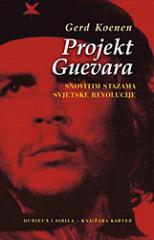
Projekt Guevara: Snovitim stazama svjetske revolucije
This book is a biography of the historical figure and icon of the twentieth century, Ernesto Che Guevara - in light of his project of a world revolution, which Koenen, after Bruce Chatwin, will call dream paths.
Protiv straha: članci, izjave i javni nastupi 1987.–1992.
This collection brings together political texts, interviews, speeches and public appearances by Ivo Banac from the key period of the breakup of Yugoslavia and the rise of Croatian statehood.
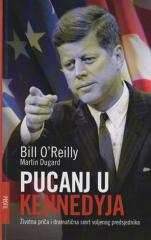
Pucanj u Kennedyja: Životna priča i dramatična smrt voljenog predsjednika
In the middle of a campaign visit to Dallas in 1963, President J.F. Kennedy was assassinated. This is his life story, about his political career, about his dramatic death and the events surrounding it. The assassination shook America, changed its history
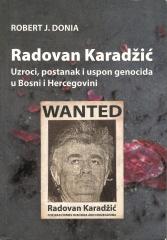
Radovan Karadžić: Uzroci, postanak i uspon genocida u Bosni i Hercegovini
Robert J. Donia's book provides an analytical look at Karadzic's life and the political, ideological, and social processes that led to war crimes and genocide in the 1990s.
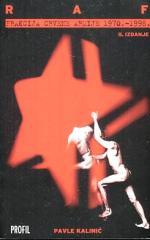
RAF: Frakcija Crvene Armije 1970-1998
Pavle Kalinić's book is an authoritative account of... the period... in which the German Red Army Faction was created and operated.
Razvoj narodne vlasti u Slavoniji i Baranji, 1941.-1945.
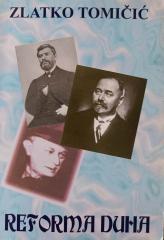
Reforma duha
Religion and the Marketplace in the United States
Revolucija i vojna misao
This collection of works and discussions by Edvard Kardelj presents a detailed exposition of the theory and practice of all-people's defense, the doctrine of armed struggle, and the role of the socialist revolution in building the defense system.