Seltene Bücher
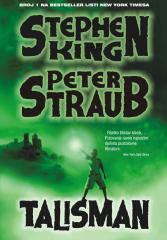
Talisman
In Anlehnung an die Romane von Mark Twain erschaffen Straub und King in „Talisman“ eine Welt an der Grenze zwischen dem amerikanischen Alltagsleben – detailliert und strukturiert mit zahlreichen Verweisen auf beliebte Produkte, Fernsehserien, Süßigkeiten
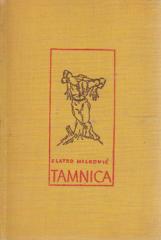
Tamnica: fragmenat naših mladih života
Tekst 1. knjige završava u pola rečenice, koja se nastavlja u 2. knjizi.

Tantra #1: Savršena kontrola: trotjedni tečaj za muškarce
Prvi broj hrvatskog časopisa Tantra – posvećen tantričkom pristupu seksualnosti, ljubavi i duhovnosti, danas antikvarnoj retkosti. Idealan za muškarce koji žele da steknu kontrolu i produže intimnost.

Tantra #2: Poliamorija / Vježbe za jačanje potencije
Drugi broj hrvatskog tantričkog časopisa Tantra, koji uređuje Davor Stančić (pionir tantre u regionu), uvodi više rubrika i proširuje fokus na praktične vežbe za oba pola, tantričku tradiciju i duboka iskustva.
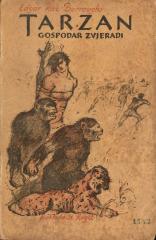
Tarzan gospodar zvjeradi
Treći roman u čuvenoj seriji o Tarzanu. Tarzanovi neprijatelji kidnapuju njegovog sina i Džejn, ostavljajući ga zarobljenog na pustom ostrvu. Uz pomoć zveri (majmuna, pantera i lavova), Tarzan se osveti i spasava svoju porodicu.
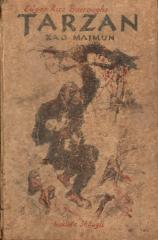
Tarzan kao majmun
Prvi i najpoznatiji roman u čuvenoj seriji o Tarzanu. Siroće engleskog plemića odgajaju majmuni u afričkoj prašumi. Tarzan postaje njihov vođa, uči da govori i susreće ljude, Džejn i civilizaciju, ali ostaje gospodar džungle.
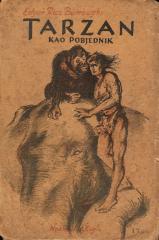
Tarzan kao pobjednik
Petnaesta knjiga u serijalu o Tarzanu. Tarzan se suočava sa okrutnim banditima i fanatičnom verskom sektom u planinama Genzi u Africi. Kao kralj džungle, pomaže zarobljenicima i pobeđuje zlo.
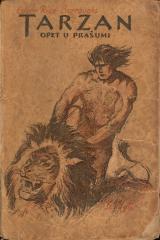
Tarzan opet u prašumi
Drugi roman u čuvenoj seriji o Tarzanu. Tarzan se vraća u Afriku, otkriva svoje plemenito poreklo i postaje gospodar džungle. Spašava Džejn iz opasnosti i vraća se svom prirodnom životu među životinjama.
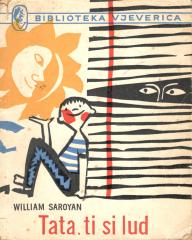
Tata, ti si lud
„Tata, lud si“, roman Vilijama Sarojana objavljen 1957. godine, a u Hrvatskoj 1958. u biblioteci Vjeverica, je dirljiva i autobiografska priča ispričana iz perspektive desetogodišnjeg dečaka Džejmija, inspirisana Sarojanovim sinom Aramom.

Teror narodu: Povijest OZNE, Titove političke policije
U knjizi, istoričar Vilijam Klinger istražuje nastanak i delovanje OZNE - brutalnog represivnog aparata komunističke Jugoslavije, koji je pratio, zatvarao i likvidirao političke protivnike.