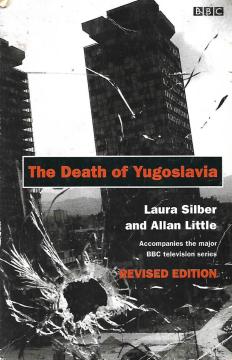
The Death of Yugoslavia
Nema primjeraka u ponudi
Poslednji primjerak je nedavno prodan.
Nema primjeraka u ponudi
Poslednji primjerak je nedavno prodan.
Zanima Vas i neka druga knjiga? Možete pretražiti našu ponudu pomoću tražilice ili prelistati knjige po kategorijama.
Jews in Yugoslavia 1944–1952 by Mladenka Ivanković depicts the renewal of the life of the Jewish community after the Holocaust, its relationship with the new authorities, and emigration to Israel and the preservation of identity.
The 1938 guidebook by the German publisher Grieben systematically describes Dalmatia with its islands and hinterland. It includes 18 maps, 24 illustrations and practical notes for drivers, offering a route by route through the coast.
Sadik Salimović's Book of Srebrenica (2002) is a memoir of the city: from Ottoman settlement, Islamization and development to the war suffering of 1992–1995 and genocide. It preserves the identity and memory of life before and after the tragedy.
The monograph "Baranja 1941–1945" is the first systematic study of the history of Baranja during World War II. A detailed account of the Hungarian occupation, terror, resistance and liberation of this area.
A non-fiction book by Ante Belja about post-war liquidations, repression by the Yugoslav authorities and the activities of the UDBA, from the perspective of Croatian political emigration.
Current Political Issues records the moment when the top of the Communist Party of Yugoslavia in 1962 publicly acknowledged the difficulties of reform: in Tito's speech in Split and Ranković's contributions, one sees the crisis, discipline, and struggle o