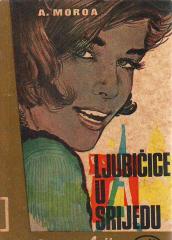
Cvijeće u jesen

Cvijeće u jesen

Ivan Tavčar

"Flowers in Autumn" is a novella by Slovenian writer Ivan Tavčar, first published in 1917. The work belongs to Slovenian literary realism and is considered one of the most significant achievements of that period.

The plot follows Janez, a successful lawyer from Ljubljana, who, dissatisfied with the monotony of city life, decides to visit his cousin in the countryside. There he meets Meta, a simple and hardworking country girl. Despite their differences in origin and lifestyle, a sincere love develops between them. Janez, enchanted by the beauty of nature and the simplicity of village life, decides to leave the city and start a new life with Meta in the countryside.

Through this story, Tavčar explores themes such as the conflict between urban and rural lifestyles, love that transcends social barriers, and the transience of time. The title "Flowers in Autumn" symbolizes the beauty and love that blooms even in the later stages of life, emphasizing that it is never too late to change and find happiness.

The novel was adapted into a film of the same name in 1973, directed by Matjaž Klopčič, starring Poldet Bibič and Milena Zupančič. The film retained the essence of the original story, depicting the beauty of the Slovenian countryside and the universality of the love story.

"Flowers in Autumn" remains an enduring work of Slovenian literature, providing readers with insight into the cultural and social aspects of Slovenia at the beginning of the 20th century and the universal themes of love, change, and acceptance.

Naslov izvornika
Cvetje v jeseni
Prijevod
Mirjana Hećimović, Ladislav Žimbrek
Urednik
Franček Bohanec
Dimenzije
20,5 x 13,5 cm
Broj strana
195
Nakladnik
Spektar, Zagreb, 1974.
 
Latinica. Tvrde korice.
Jezik: Hrvatski.

Nema primjeraka u ponudi

Poslednji primjerak je nedavno prodan.

 

Zanima Vas i neka druga knjiga? Možete pretražiti našu ponudu pomoću tražilice ili prelistati knjige po kategorijama.

Možda će Vas zanimati i ovi naslovi

Vetar ne zna čitati

Vetar ne zna čitati

Ričard Mejsn
Svjetlost, 1964.
Srpski. Latinica. Broširano.
2,96 - 2,98
Nag među vukovima

Nag među vukovima

Bruno Apitz
Grafički zavod - Titograd, 1965.
Hrvatski. Latinica. Tvrde korice s ovitkom.
4,99
Seljaci

Seljaci

Honore de Balzac

Roman „Seljaci“ (1844) je realističan prikaz francuskog seoskog života u prvoj polovini 19. veka. Knjiga ostavlja utisak tragične borbe između starog poretka i novih društvenih snaga, što je čini ključnim delom francuskog realizma.

Kultura, 1950.
Hrvatski. Latinica. Tvrde korice s ovitkom.
2,99 - 4,32
Samrtno proljeće

Samrtno proljeće

Lajos Zilahy

Mladi diplomat vraća se iz Barcelone skrhan rastankom sa voljenom ženom. Pa ipak , uskoro upoznaje novu ljubav. Ali, kad treba da tu vezu kruniše brakom, vraća se nekadašnja djevojka.

Zora, 1955.
Hrvatski. Latinica. Tvrde korice s ovitkom.
2,64
Pet stoljeća hrvatske književnosti # 50 - Pod starim krovovima, Pripovijesti

Pet stoljeća hrvatske književnosti # 50 - Pod starim krovovima, Pripovijesti

Ksaver Šandor Gjalski
Zora, 1964.
Hrvatski. Latinica. Tvrde korice s ovitkom.
3,99
Quo Vadis?

Quo Vadis?

Henryk Sienkiewicz

Roman Quo vadis povijesna je saga smještena u Rim za vrijeme vladavine cara Nerona. Djelo, napisano s epohalnom širinom, istražuje sukob između ranog kršćanstva i dekadentnog rimskog društva, uz ljubavnu priču u središtu.

Minerva, 1964.
Srpski. Latinica. Tvrde korice.
2,98