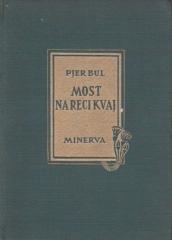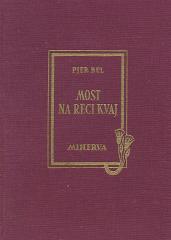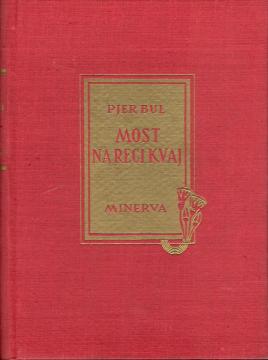
Most na reci Kvaj / Dželat
Most na reci Kvaj (1952.) slavna je priča o britanskim zarobljenicima koji pod pritiskom Japanca grade most u džungli. Dželat (1954.) je filozofska novela o kineskom krvniku koji postaje žrtva vlastitog sustava.
Most na reci Kvaj najpoznatije je Boulleovo djelo (po kojem je snimljen Oscarom nagrađeni film Davida Leana). Roman se temelji na autorovom ratnom iskustvu u Aziji. Prikazuje britanske zarobljenike u japanskom logoru u Burmi koje zapovjednik pukovnik Nicholson tjera da izgrade savršen most preko rijeke Kwaï. Roman suptilno istražuje teme vojničke časti, apsurda rata, kolaboracije i fanatizma. Boulle majstorski pokazuje kako britanski oficir, u ime discipline i ponosa, pomaže neprijatelju, dok Japanac postaje gotovo simpatičan u svojoj krutosti. Djelo je ironijska parabola o ratu i ljudskoj prirodi.
Dželat je kraća filozofska novela smještena u staru Kinu. Glavni junak je profesionalni krvnik koji stoljećima obiteljskom tradicijom izvršava smrtne kazne. Kada ga sustav, kojem je cijeli život služio, osudi na smrt, on postaje žrtva vlastite uloge. Roman je snažna egzistencijalna parabola o odgovornosti, pravdi, nasilju i besmislu ljudske sudbine. Boulle ovdje pokazuje iznimnu sposobnost da kroz jednostavnu priču postavi duboka filozofska pitanja.
Oba djela odlikuju se preciznim stilom, ironijom i moralnom dvosmislenošću – Boulle nikad ne sudi izravno, već tjera čitatelja na razmišljanje. Minervino izdanje spojilo je ova dva romana u jednu knjigu, što je čest slučaj kod Boullea, jer oba dijele sličnu tematiku apsurda i ljudske tragikomedije.
Jedan primjerak je u ponudi