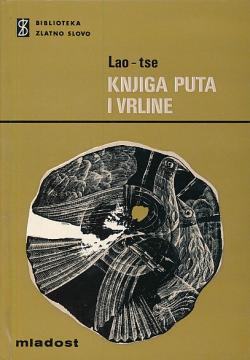
Knjiga puta i vrline
Osnovni tekst taoizma, čije se autorstvo pripisuje Lao Ceu. Kroz sažete i poetske pronicljive spise, on uči o Taou (Putu), prirodnom harmoničnom životu, nenasilju i mudrosti delovanja nečinjenjem (Vu vej).
Tao Te Čing (Knjiga Puta i Vrline), koja se pripisuje mističnom kineskom mudracu Laoziju (6. vek pre nove ere), jedno je od najuticajnijih i najprevođenijih filozofsko-duhovnih dela u ljudskoj istoriji. Sastoji se od 81 kratkog, često enigmatičnog i poetski oblikovanog poglavlja podeljenog u dva dela: prvi se bavi konceptom Taoa (Apsolutnog Puta ili prvobitnog principa iz kojeg sve stvari potiču), dok se drugi fokusira na Te (Vrlinu - moć i manifestaciju tog Puta u svakodnevnom životu). Centralna tema dela je život u potpunoj harmoniji sa prirodom i kosmičkim poretkom. Laozi zastupa koncept Vu Vej (delovanje kroz nedelovanje); ovo ne označava pasivnost, već delovanje bez nametanja sile, otpora ili ega - slično vodi, koja je mekana i prilagodljiva, ali prevazilazi čak i najtvrdokornije prepreke. Tekst nudi duboke uvide u poniznost, povlačenje iz nepotrebnih sukoba, jednostavnost i mudro vođstvo koje vlada nenametljivo i bez represije. Zbog svoje bezvremenske mudrosti i univerzalnog pristupa ljudskom postojanju, Tao Te Čing nije samo temelj taoizma, već i neiscrpan izvor inspiracije za zapadnu i istočnu filozofiju, psihologiju i lični duhovni razvoj.
Angeboten wird ein Exemplar