NIŠRO Oslobođenje
71000Sarajevo
Bosna i Hercegovina
Naslovi u ponudi
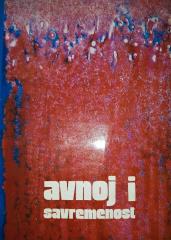
Avnoj i savremenost
Naučni skup "Odluke AVNOJA - trajna osnova nacionalne ravnopravnosti, bratstva i jedinstva, socijalističkog samoupravnog zajedništva, razvoja i naoretka naroda i narodnosti Jugoslavije".
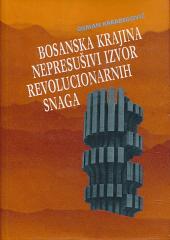
Bosanska krajina nepresušivi izvor revolucionarnih snaga

Brdo konjskog carstva
U središtu priče je snažan i povučen junak (tipičan Greyjev lik) koji dolazi u područje poznato kao “Brdo konjskog carstva”, mjesto na kojem se uzgajaju izuzetni divlji i poludivlji konji.

Članci i polemike 1: Ratne teme

Eine Sammlung von Krležas journalistischen Texten, Kommentaren und Analysen, die während und unmittelbar nach dem Ersten Weltkrieg entstanden sind und für das Verständnis seiner intellektuellen Entwicklung sowie seiner späteren Werke von Bedeutung sind.

Članci i polemike 2: Sa uredničkog stola
Die Sammlung „Artikel und Polemiken 2: Aus der Redaktion“ umfasst Essays, Kritiken und polemische Texte, die während Krležas Tätigkeit als Herausgeber verschiedener Literaturzeitschriften wie Književna republika und Pečate verfasst wurden.

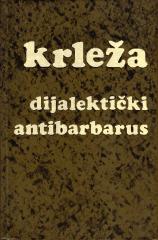
Dijalektički antibarbarus
Krleža's most famous polemical text, in which he sharply attacks dogmatic vulgar Marxism and bad tendentious literature within the left, defending artistic freedom and intellectual autonomy. The culmination of the conflict on the literary left.

Dnevnik 1: Dnevnik 1914 - 17 (Davni dani I)
The 1914–17 diary records Krleža's writings from the First World War: personal dilemmas, pacifism, conflict with the militarism of the Monarchy, and intellectual maturation in the years of the collapse of the old world.

Dnevnik 2: Dnevnik 1918-22 (Davni dani II)
The Diary 1918–22 records Krleža's writings from the post-war years marked by the collapse of the Monarchy, the emergence of a new state, political fractures, and his increasingly harsh criticism of society, intellectuals, and ideological illusions.
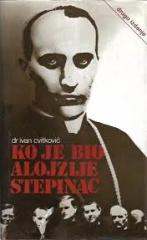
Ko je bio Alojzije Stepinac
A sociological-historical study in which Ivan Cvitković analyzes the activities of the Archbishop of Zagreb in the context of the Independent State of Croatia, World War II and the post-war period, relying on sources available at the time.