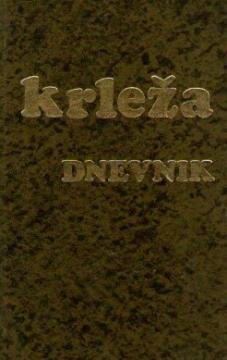
Dnevnik 1: Dnevnik 1914 - 17 (Davni dani I)
The 1914–17 diary records Krleža's writings from the First World War: personal dilemmas, pacifism, conflict with the militarism of the Monarchy, and intellectual maturation in the years of the collapse of the old world.
Diary 1914–17 (Davni dani I) is one of the most important autobiographical and documentary texts by Miroslav Krleža, written during the most dramatic years of his life – during World War I. It is an intimate chronicle of the collapse of an era and the maturation of a young intellectual faced with the brutality of militarism and the senselessness of the Austro-Hungarian war machine.
Krleža, then a young cadet, records his experiences in military school, at the front and from his everyday encounter with the military discipline he despises. The diary expresses a strong resistance to the established order: to nationalist pathos, blind obedience and ideological constructs that justify mass suffering. His pacifist, anti-militarist position takes shape through short, sharp, nervous entries in which personal anxiety, intellectual rebellion and deep distrust of the adult world that sends young people to their deaths intertwine.
In addition to the political and moral dimension, the diary also reveals an inner drama: a sense of loneliness, mental turmoil, fears, the first visions of a literary calling. Krleža writes down thoughts on art, philosophy and identity, often in leaping fragments that follow the rhythm of war chaos. These entries announce the themes and style that would later characterize his entire work: a critique of petty-bourgeois ethics, suspicion of “great truths”, a fascination with human suffering and contempt for the rhetoric of power.
At the same time, Diary provides an extremely important historical insight. Through Krleža’s eyes, we see the atmosphere of the collapse of the Monarchy: famine, demoralized soldiers, bureaucratic cruelty, but also intellectual circles trying to think outside the national framework. This collision of reality and reflection creates a text full of tension – at once a document of the times and an emotional-philosophical confession.
Diary 1914–17 thus represents the starting point of Krleža's oeuvre: a book in which his worldview, style, and ethical horizon were shaped, written in the years when the old world was collapsing and the new one did not yet have clear outlines.
One copy is available