Rainer Maria Rilke
Rajner Marija Rilke (Prag, 1875 - Valmon u Švajcarskoj, 1926) jedan je od najznačajnijih pesnika nemačkog jezika i jedna od ključnih figura evropskog modernizma. Rođen je kao Rene Karl Vilhelm Johan Jozef Marija Rilke u građanskoj porodici u tadašnjoj Austrougarskoj monarhiji. Nakon školovanja u vojnim institutima, koje mu je bilo teško, okrenuo se književnosti, studirao je u Pragu, Minhenu i Berlinu i rano se uključio u intelektualne i umetničke krugove svog vremena. Ime Rene je kasnije zamenjeno imenom Rajner, koje se često povezuje sa uticajem Lu Andreas-Salome, jedne od odlučujućih ličnosti u njegovom životu.
Rilkeov književni razvoj obuhvata poeziju, lirsku prozu, kraće prozne forme, eseje i opsežnu prepisku. U svojoj ranoj fazi, pisao je pod uticajem simbolizma i secesijskog senzibiliteta, a među delima koja su mu donela široko priznanje, ističe se Plete ljubavi i sve korneta Kristofa Rilkea. Putovanja u Rusiju krajem 19. veka, susreti sa umetnicima i snažna duhovna iskustva duboko su uticali na njegovu poetiku, posebno na njegov odnos prema religioznosti, unutrašnjem životu i slici čoveka u svetu.
Među njegovim najvažnijim delima su zbirka pesama Knjiga o vremenima, knjiga pesama Knjiga slika, roman Uspomene na malteški Lavrski most, ciklus Novi pisac, Duineška elegija i Soneta i Orfej. U njima, Rilke razvija prepoznatljiv pesnički jezik obeležen visokom osetljivošću, dubinom misli, gustim slikama i trajnim interesovanjem za teme samoće, ljubavi, umetnosti, smrti, transformacije i granica ljudskog iskustva. Njegov odnos prema vizuelnim umetnostima je posebno važan, vidljiv i u njegovim vezama sa Ogistom Rodenom, o kome je pisao.
Rilke je autor čiji opus povezuje prelaz iz kasnog 19. u visoki modernizam 20. veka. Pisao je na nemačkom, ali je živeo izrazito evropskim životom, između Praga, Pariza, Minhena, Duina, Švajcarske i drugih kulturnih centara. Njegova dela su prevedena na brojne jezike i trajno su prisutna u svetskom kanonu. Rilke je upamćen kao pesnik unutrašnje napetosti i duhovne sofisticiranosti, a njegovo delo i dalje zauzima centralno mesto u istoriji moderne književnosti.
Naslovi u ponudi
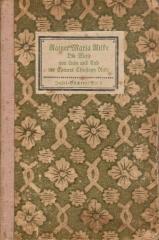
Die Weise von Liebe und Tod des Cornets Christoph Rilke
Antikvarno izdanje Rilkeovog ranog dela „Plete ljubavi i sve rogova“ Kristofa Rilkea donosi poetsku prozu o ljubavi, ratu i smrti i od posebne je vrednosti za kolekcionare ranih izdanja.
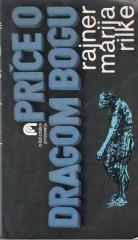
Priče o dragom Bogu
Rilkeove „Priče o dragom Bogu“ sadrže niz lirskih proznih komada o veri, detinjstvu i siromaštvu i zauzimaju važno mesto u njegovoj ranoj fazi, u prelazu od simbolizma ka zrelijim poetičkim kompozicijama.
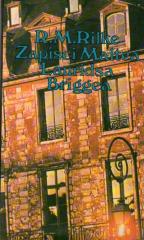
Zapisci Maltea Lauridsa Briggea
„Beleške Maltea Lauridsa Brigea“ (1910) Rajnera Marije Rilkea, njegov jedini roman, je introspektivni i poetski prikaz unutrašnjih previranja mladog danskog plemića, Maltea Lauridsa Brigea, u Parizu.
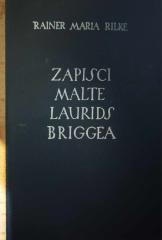
Zapisci Malte Laurids Briggea
„Beleške Maltea Lauridsa Brigea“ (1910) Rajnera Marije Rilkea, njegov jedini roman, je introspektivni i poetski prikaz unutrašnjih previranja mladog danskog plemića, Maltea Lauridsa Brigea, u Parizu.