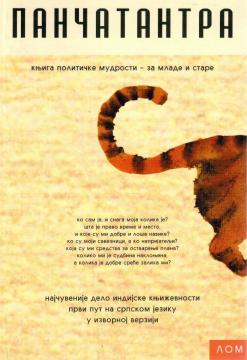
Pančatantra
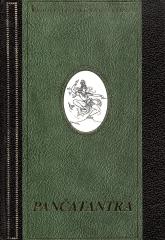
Pančatantra je zamišljena kao svojevrsni priručnik za vladare, u kome je narodna mudrost spojena sa filozofijom, psihologijom i politikom, a sve je to predstavljeno jednostavnim i elegantnim stilom vrhunske literature.
Pančatantra — posebno u svojoj najstarijoj sačuvanoj verziji, Tantrakhyayika — jedno je od najznačajnijih dela staroindijske pripovedačke književnosti, koje potiče iz perioda oko 3. veka pre nove ere. Ova zbirka basni, poučnih priča i mudrih izreka pripada bogatoj sanskrtskoj tradiciji; njena najstarija sačuvana verzija, Tantrakhyayika (Tantrākhyāyika), predstavlja izuzetno vredan izvor za proučavanje izvornog oblika ovog dela.
Zbirka je organizovana u pet tematski povezanih knjiga koje, kroz priče o životinjama i ljudima, istražuju teme kao što su prijateljstvo, neprijateljstvo, politička mudrost, diplomatija, razboritost i posledice ishitrenih odluka. Okvirna priča usredsređena je na mudraca koji podučava tri princa veštini vladanja i snalaženja u životu.
Karakteristična odlika ovog dela je struktura „priče u priči”, u kojoj se prozni delovi prepliću sa stihovima, poslovicama i moralnim poukama. Likovi životinja oličavaju različite ljudske osobine, a njihove avanture otkrivaju složenu dinamiku moći, poverenja, obmane i odanosti.
Tokom vekova, Pančatantra je prevođena i adaptirana na brojne jezike, vršeći snažan uticaj na svetsku tradiciju basni i didaktičke književnosti. Verzija Tantrakhyayika posebno je značajna jer čuva stariju, čvršće strukturiranu varijantu ove zbirke. Ovo delo i danas privlači čitaoce svojom univerzalnom životnom mudrošću, dovitljivošću i dubokim razumevanjem ljudske prirode.
Jedan primerak je u ponudi