Retke knjige

Kako je govorio Zaratustra II
Po kritici civilizacijskog pogona, dubini vizije, zaokruženom filozofskom ustroju, porođenom novom jeziku, rečeničnoj strukturi - Dobrivojević je vjerojatno najveći pisac koji se pojavio unazad 30 godina. Mislim to generalno, a ne lokalno. (Dario Grgić)
Kako sam ubila svoje dijete
Ein moralisierender Roman in Form eines Geständnisses, in dem eine junge Frau erzählt, wie sie aus Eitelkeit, Angst vor einem Skandal und Leichtfertigkeit eine Abtreibung vornehmen ließ und anschließend tiefe Reue, Leid und eine spirituelle Wandlung erleb
Kako stoje stvari: Predavanje održano u Domu JNA u Zagrebu 17. 12. 1952.

In seinem Vortrag „Wie die Dinge sind“ (1952) erörtert Krleža die politische und kulturelle Situation des Nachkriegsjugoslawiens und betont die Notwendigkeit kritischen Denkens, kultureller Erneuerung und des Widerstands gegen Dogmatismus.

Kako žive životinje
Mit 505 Bildern im Text und 16 Tabellen in vielen Farben
Kalista
Callista (1855) ist ein historischer Roman, der im Nordafrika des 3. Jahrhunderts spielt und die junge Griechin Callista, eine talentierte Bildhauerin heidnischer Statuen, begleitet, die während der Christenverfolgung unter Kaiser Decius mit der Wahrheit
Kalista
Callista (1855) is a historical novel, set in 3rd century North Africa, that follows the young Greek woman Callista, a talented sculptor of pagan statues, who confronts the truth of Christianity during the persecution of Christians under Emperor Decius.
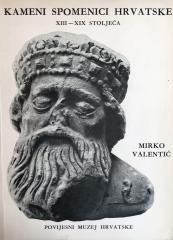
Kameni spomenici Hrvatske XIII-XIX stoljeće

Kanjoni noći
Canyons of Night (2011) by Jayne Castle (pseudonym Jayne Ann Krentz) is the third and final novel in the "Mirror" trilogy. Typical of Castle/Krentz: a strong heroine, a protective hero, psi-energy, mystery, and light eroticism.
Kants these über das Sein

Kant's Thesis on Being, a lecture given by Martin Heidegger in 1930, focuses on an analysis of Kant's claim that Being is in fact a positing (Setzung) – that is, the act of positing or affirming through judgment.
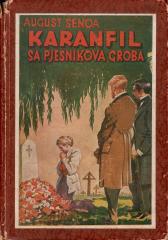
Karanfil sa pjesnikova groba / Pruski kralj / U akvariju

The book 19 Collected Works of August Šenoa brings together three diverse narratives: a romantic-national story about love and Slavicism, a satirical humorous and sharp social criticism of Zagreb's bourgeois society.