Bijelo ciganče

Bijelo ciganče

Vidoe Podgorec

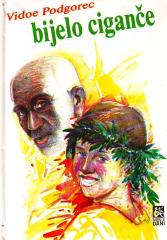
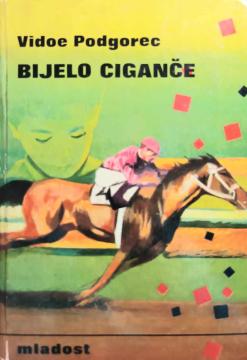
The story of a boy named Tarun, who lost his parents during the war after they were killed by the Nazis. He was left by the side of the road, where he was found by wandering Roma who decided to adopt him. Because of his fair skin, they called him "White G

Tarun grows up in a Roma tent, accepting their way of life, customs and values. His adoptive father, Papa Mulon, was a man of a noble heart and became like a father to him. However, he is not accepted by all members of the community; Henza, Mulon's wife, shows hostility towards him, considering him a burden.

Despite the challenges, Tarun develops a strong bond with the horse Bresko, whom he raised after the death of his mare. Their friendship symbolizes Tarun's ability to find love and belonging in a world that often rejects him.

The novel explores themes of identity, belonging, tolerance and growing up. Through Tarun's story, the author shows how love and acceptance can overcome prejudice and hostility.

Naslov originala
Beloto ciganče
Prevod
Marija Peakić-Mikuljan
Urednik
Alojz Majetić
Ilustracije
Josip Vaništa
Naslovnica
Josip Josipov
Dimenzije
20 x 14 cm
Broj strana
295
Izdavač
Mladost, Zagreb, 1987.
 
Latinica. Broširano.
Jezik: Hrvatski.

Više primeraka je u ponudi

Primerak broj 1

Stanje:Korišćeno, u odličnom stanju
Dodato u korpu!

Primerak broj 2

Stanje:Korišćeno, u vrlo dobrom stanju
Oštećenja / nepogodnosti:
  • The front sheet is missing
Dodato u korpu!

Primerak broj 3

Izdanje 1979. godine.
Stanje:Korišćeno, u dobrom stanju (tragovi korišćenja)
Oštećenja / nepogodnosti:
  • Oštećen hrbat
Dodato u korpu!
 

Zanima Vas i neka druga knjiga? Možete pretražiti našu ponudu pomoću pretrage ili prelistati knjige po kategorijama.

Možda će Vas zanimati i ovi naslovi

Bijelo ciganče

Bijelo ciganče

Vidoe Podgorec

Priča o dječaku Tarunu, koji je tijekom rata ostao bez roditelja nakon što su ih ubili nacisti. Ostavili su ga pored ceste, gdje su ga pronašli Romi lutalice i odlučili ga usvojiti. Zbog njegove svijetle puti, nazvali su ga "Bijelo ciganče".

Svjetlost, 1989.
Hrvatski. Latinica. Tvrde korice.
4,36
Kralj petroleja

Kralj petroleja

Karl May

Kralj petroleja (pravopis do 1905.: Der Oelprinz) je priča Karla Maya koju je napisao između kolovoza 1892. i početka 1893. za časopis Der Gute Kamerad. Istoimena priča Der Oelprinz, koja je objavljena 1878. godine, nije preteča ove slavne priče za mlade.

Mladost, 1965.
Hrvatski. Latinica. Tvrde korice s omotom.
4,96 - 4,98
Užasi povijesti: Otkačeni Grci

Užasi povijesti: Otkačeni Grci

Terry Deary

Der vierte Band der Kultreihe „Die Schrecken der Geschichte“ ist stilistisch typisch für die Reihe: Geschichte mit „ekelhaften Details“ und „schrecklichen Fakten“, die Lehrer normalerweise auslassen, humorvoll, sarkastisch und unterhaltsam präsentiert für

Egmont, 1996.
Hrvatski. Latinica. Broširano.
8,36
Firstwatch: The Keytext Program

Firstwatch: The Keytext Program

Louise Matteoni
The Economy Company, 1981.
Engleski. Latinica. Broširano.
11,47
Doktor Dulitl - Povratak

Doktor Dulitl - Povratak

Hugh Lofting
Dečje novine, 1980.
Srpski. Latinica. Tvrde korice s omotom.
7,56
Moj prijatelj gospodin Leakey

Moj prijatelj gospodin Leakey

J. B. S. Haldane

J. B. S. Haldane (1892.–1964.), britanski genetičar, evolucijski biolog i popularizator znanosti, napisao je 1937. godine "My Friend Mr. Leakey" – zbirku od pet duhovitih, fantastičnih priča za djecu (i odrasle).

Novo pokoljenje, 1950.
Hrvatski. Latinica. Tvrde korice.
7,54