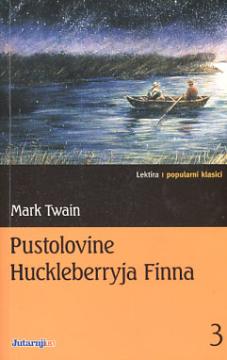
Pustolovine Huckleberryja Finna

Hak Fin beži od svog okrutnog oca i civilizacije i plovi niz reku Misisipi na splavu sa robom Džimom. Kroz svoje avanture otkriva slobodu, prijateljstvo i rasizam američkog Juga. Klasik o moralu i slobodi.
Avanture Haklberija Fina (1884) jedan je od najvažnijih američkih romana i često se naziva velikim američkim romanom. Sledi ga Avanture Toma Sojera, ali je mnogo zreliji, dublji i društveno kritičniji.
Priča je ispričana u prvom licu kroz oči Haka. Haklberi Fin, neobrazovani, slobodnog duha dečak, beži od svog oca nasilnika alkoholičara i od „civilizovanog“ života udovice Daglas koja pokušava da ga odgaji. Na reci Misisipi upoznaje Džima, odbeglog crnog roba, i kreće sa njim na splav ka slobodi.
Putovanje niz veliku reku postaje moćna metafora za potragu za slobodom. Hak i Džim doživljavaju niz avantura: susreću se sa prevarantima („kraljem“ i „vojvodom“), učestvuju u krvnoj osveti porodica Grendžerford i Šeferdson i susreću se sa ubistvom, obmanom i licemerjem društva. Hak se suočava sa dubokim unutrašnjim konfliktom - odgajan je da veruje da je pomaganje robu u bekstvu greh, ali njegov sopstveni moral i prijateljstvo sa Džimom govore mu drugačije. Na kraju, donosi hrabru odluku: Onda ću ići u pakao.
Tven majstorski koristi kolokvijalni, dijalektički jezik (posebno crnački i južnjački dijalekat), koji je u to vreme bio revolucionaran i kontroverzan. Roman je oštra satira o rasizmu, verskom licemerju, feudalnom društvu američkog Juga i „civilizaciji“ koja zapravo uništava prirodnu čovečnost.
Hak Fin predstavlja američki ideal individualne slobode i prirodnog morala nasuprot nametnutim društvenim normama. Delo je uticalo na skoro celu modernu američku književnost (Hemingvej je rekao da sva moderna američka književnost potiče iz jedne knjige - Hak Fin).
Roman se završava Hakovom željom da pobegne dalje u teritoriju, jer više ne može da podnese civilizaciju.
Više primeraka je u ponudi
Primerak broj 2
- Tragovi patine