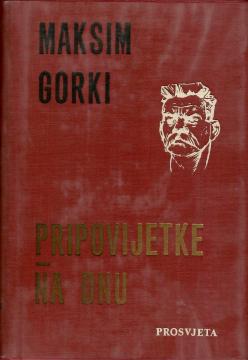
Pripovijetke / Na dnu
Maksim Gorki je napisao mnogo kratkih priča koje istražuju teme siromaštva, društvene nepravde, ljudske patnje i snage volje. „Na dnu“, drama Maksima Gorkog, jedno je od najpoznatijih dela ruskog realizma.
Kratke priče Gorkog često su inspirisane ličnim iskustvima i životima marginalizovanih ljudi, kao što su radnici, prosjaci i beskućnici. Evo rezimea nekih od najpoznatijih priča:
"Makar Čudra" Gorkijeva prva pripovetka koja ga je proslavila. Priča o nomadskom načinu života i slobodi, ispričana kroz pripovedačev susret sa romskim lutalicama. Glavni likovi, Makar i Loiko, simbolizuju strastvenu, ali destruktivnu ljubav, koja se završava tragično.
"Starica Izergil" Priča je podeljena na tri dela, od kojih svaki nosi posebnu poruku o ljudskom životu i sudbini. Starica Izergil priča o svom strasnom životu i dve legende: o Lari, simbolu sebičnosti, i Danku, koji žrtvuje svoje srce da bi spasio svoj narod.
"Chelkash" Priča o siromašnom lučkom radniku i sitnom zločincu Čelkašu, koji uprkos svom teškom životu ima dostojanstvo i moralni kodeks. Priča se fokusira na njegov odnos sa mladim seljakom koji postaje pohlepan i pokušava da ga prevari.
"Bivši ljudi" Prikazuje marginalizovane ljude koji žive na rubu društva, poput prosjaka i skitnica. Gorki kroz njihove priče istražuje kako društvo odbacuje ljude i oduzima im dostojanstvo.
Gorki koristi jednostavan, ali slikovit jezik, mešajući realizam sa romantičnim i simboličkim elementima. Njegove priče često imaju snažnu moralnu poruku i ostavljaju dubok utisak na čitaoca.
Gorkijeve kratke priče odražavaju njegovu društvenu i umetničku misiju – da prikaže stvarnost i izazove empatiju prema onima na marginama društva. To su priče o ljudskoj patnji, ali i o nepokolebljivom duhu koji savlađuje prepreke.
Premijerno prikazana 1902. godine, ova drama istražuje teme ljudskog dostojanstva, siromaštva, iluzija i moralnih dilema, smeštene u mračno i sumorno sklonište za beskućnike. Delo je snažna kritika društvene nepravde i empatičan prikaz života na marginama društva.
Radnja se odvija u konaku koji vodi okrutni gazda Kostiljov, zajedno sa suprugom Vasilisom. U hostelu žive različiti likovi sa dna društva - beskućnici, kriminalci, alkoholičari i radnici koji su izgubili nadu.
Luka unosi svetlost u živote stanara, podstičući ih da veruju u bolje sutra. Njegova filozofija saosećanja i udobnosti privremeno donosi nadu stanarima. Međutim, njegov uticaj izaziva pomešane reakcije – dok jedni prihvataju njegove reči, drugi ga optužuju da budi lažne nade.
Sukobi kulminiraju tragedijom: Nataša je povređena, Pepel ubija Kostiljova u pokušaju da je spase, a Luka odlazi ostavljajući stanare u bedi. Na kraju, beskućnici nastavljaju život koji su vodili, bez nade da će se promeniti.
Nema primeraka u ponudi
Poslednji primerak je nedavno prodat.