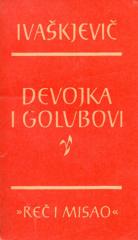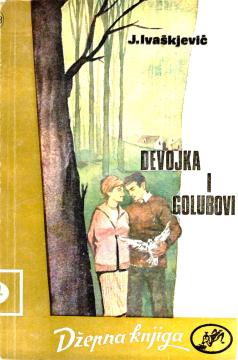
Devojka i golubovi
Mladi Edek živi sa svojim ostarelim ocem koji pokušava da zadrži sina pored sebe. Dečakova čežnja za slobodom i devojčicom sukobljava se sa očevom posesivnošću. Golubovi simbolizuju nedostižnu slobodu. Sukob vodi do tragičnog kraja.
„Devojka i golubovi“ jedna je od najpoznatijih priča Jaroslava Ivaškjeviča (1894–1980), objavljena 1955. godine u časopisu „Twórczość“. Radnja se odvija u posleratnoj Poljskoj (verovatno pedesetih godina 20. veka), u porodičnoj kući gde otac – usamljeni inženjer-arhitekta – živi sa svojim mlađim sinom Edekom. Otac, svestan sopstvene starosti i straha od usamljenosti, nesvesno postaje posesivan prema sinu, želeći da ga što duže zadrži uz sebe. Edek, mladić u procesu sazrevanja, oseća sve veću unutrašnju čežnju za slobodom, ljubavlju i nezavisnošću – oličenu u liku devojke i simbolično u golubovima koji slobodno lete iznad kuće.
Ivaškjevič suptilno gradi psihološki konflikt: otac ne shvata koliko guši sina, a sin ne može da izrazi svoju buntovnost, a da se ne oseća krivim. Golubovi – ptice koje dečak posmatra i hrani – postaju metafora za nedostižnu slobodu, mladalačku čežnju i prolaznost. Priča kulminira tragičnim sukobom generacija: otac oseća da se „tragedija približava“ i da će mu život oduzeti sina, dok Edek pokušava da se oslobodi ove emocionalne zamke.
Priča je klasičan primer Ivaškjevičevog stila: lirska, introspektivna, sa dubokim zaronom u ljudsku psihu, suptilnom simbolikom i osećajem melanholične neizbežnosti. Nema patetike, već tiha, ali snažna drama porodičnih odnosa i prolaznosti života. Priča je zasnovana na TV filmu „Devojka i kukavica“ iz 1973/74. (režija Barbara Sas) sa Jadvigom Jankovskom-Češlak i Andžejem Severinom u glavnim ulogama.
Jedan primerak je u ponudi