Veliki zločinci

Veliki zločinci

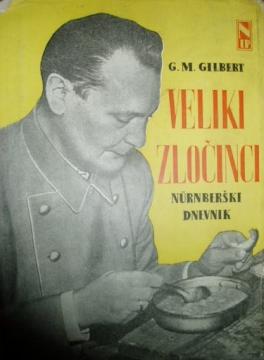
G. M. Gilbert

Nuremberg psychologist G. M. Gilbert analyzes the psychological profiles of leading Nazi criminals. The book provides deep insight into personality structure, moral atrophy, and the mechanisms of Nazi evil.

The book "The Great Criminals" (originally Nuremberg Diary / The Psychology of Dictatorship) by the American psychologist G. M. Gilbert represents one of the most important psychological and historical testimonies about the nature of the Nazi regime. As the official prison psychologist at the Nuremberg Trials in 1945–1946, Gilbert had daily, direct access to accused Nazi leaders such as Hermann Göring, Joachim von Ribbentrop, Rudolf Hess and Albert Speer. Through a combination of clinical observations, psychological tests and detailed recorded interviews, the author reconstructs the inner world of the people who organized and carried out mass crimes. Instead of simply writing these individuals off as a series of "monsters", Gilbert approaches the study with scientific objectivity, exposing a dangerous combination of extreme egoism, fanaticism, blind obedience and a complete lack of empathy. This work does not only analyze individual psychological profiles, but also explores the broader mechanisms of collective manipulation and the organization of totalitarian power. "Great criminals" is a classic reading of psychology and history that warns of the destructive potential of ideological blindness and human moral decline.

Naslov izvornika
Nuremberg diary
Prijevod
Bogdan Krizman
Dimenzije
20 x 14 cm
Broj strana
267
Nakladnik
NIP, Zagreb, 1954.
 
Latinica. Tvrde korice s ovitkom.
Jezik: Hrvatski.

Jedan primjerak je u ponudi

Stanje:Korišteno, u vrlo dobrom stanju
Oštećenja / nepogodnosti:
  • Nedostaje omot
  • Tragovi patine
Dodano u košaricu!
 

Zanima Vas i neka druga knjiga? Možete pretražiti našu ponudu pomoću tražilice ili prelistati knjige po kategorijama.

Možda će Vas zanimati i ovi naslovi

Grudski žrtvoslov

Grudski žrtvoslov

Vlado Bogut, Ljubo Leko

„Grudska viktimologija“ autora Boguta i Leke sistematski beleži žrtve Drugog svetskog rata i posleratnog perioda, kao i Domovinskog rata sa područja opštine Grude, čuvajući sećanje na poginule kroz dokumentovanu građu.

24 sata, 2014.
Hrvatski. Latinica. Tvrde korice.
32,50
Normandijski mostobran

Normandijski mostobran

Hubert Essame

Vojnoistorijska studija generala H. Esama iz 1974. Kroz stručnu analizu, autor pruža napet i detaljan prikaz savezničkog iskrcavanja u Normandiji 1944. godine i teških bitaka za jačanje mostobrana.

Alfa, 1974.
Hrvatski. Latinica. Tvrde korice s ovitkom.
7,966,37 - 7,986,38
Okinawa: Touchstone to Victory

Okinawa: Touchstone to Victory

Benis M. Frank

Ein Überblick über die Schlacht um Okinawa, die größte amphibische Operation im Pazifik, mit einer Beschreibung ihres militärischen Verlaufs, der menschlichen Verluste und ihres entscheidenden Einflusses auf das Ende des Zweiten Weltkriegs.

Ballantine Books, 1973.
Engleski. Latinica. Broširano.
12,46
Ko je bio Alojzije Stepinac

Ko je bio Alojzije Stepinac

Ivan Cvitković

Eine soziologisch-historische Studie, in der Ivan Cvitković die Aktivitäten des Erzbischofs von Zagreb im Kontext des Unabhängigen Staates Kroatien, des Zweiten Weltkriegs und der Nachkriegszeit analysiert und sich dabei auf damals verfügbare Quellen stüt

NIŠRO Oslobođenje, 1986.
Hrvatski. Latinica. Tvrde korice s ovitkom.
11,62
YU-GENOCID: Bleiburg, Križni put, Udba

YU-GENOCID: Bleiburg, Križni put, Udba

Ante Beljo

Ein Sachbuch von Ante Belja über die Liquidierungen nach dem Krieg, die Repressionen durch die jugoslawischen Behörden und die Aktivitäten der UDBA aus der Perspektive der kroatischen politischen Emigration.

HIŠAK, 1990.
Hrvatski. Latinica. Broširano.
12,34