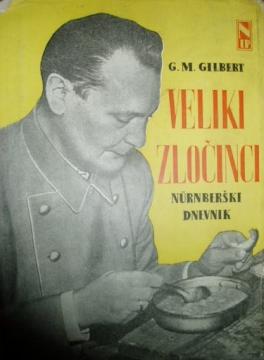
Veliki zločinci
Nuremberg psychologist G. M. Gilbert analyzes the psychological profiles of leading Nazi criminals. The book provides deep insight into personality structure, moral atrophy, and the mechanisms of Nazi evil.
The book "The Great Criminals" (originally Nuremberg Diary / The Psychology of Dictatorship) by the American psychologist G. M. Gilbert represents one of the most important psychological and historical testimonies about the nature of the Nazi regime. As the official prison psychologist at the Nuremberg Trials in 1945–1946, Gilbert had daily, direct access to accused Nazi leaders such as Hermann Göring, Joachim von Ribbentrop, Rudolf Hess and Albert Speer. Through a combination of clinical observations, psychological tests and detailed recorded interviews, the author reconstructs the inner world of the people who organized and carried out mass crimes. Instead of simply writing these individuals off as a series of "monsters", Gilbert approaches the study with scientific objectivity, exposing a dangerous combination of extreme egoism, fanaticism, blind obedience and a complete lack of empathy. This work does not only analyze individual psychological profiles, but also explores the broader mechanisms of collective manipulation and the organization of totalitarian power. "Great criminals" is a classic reading of psychology and history that warns of the destructive potential of ideological blindness and human moral decline.
One copy is available
- The cover is missing
- Traces of patina