Francuska književnost
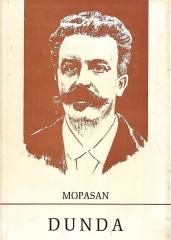
Dunda i druge novele

Pripovijetka smještena u vrijeme Francusko-pruskog rata (1870.–1871.), radnja započinje bijegom francuskih građana iz Rouena, pod pruskom okupacijom. Među njima je i Elizabeth Rousset, "Dunda", djevojka lakog morala, no dobrog srca.
Dvadeset hiljada milja pod morem 1-2
Znanstveno-fantastični roman nastao krajem 19. stoljeća iz pera slavnoga francuskog pripovjedača za djecu i mladež Jules Vernea, ujedno i utemeljitelja žanra znanstvene fantastike.
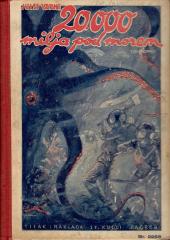
Dvadeset tisuća milja pod morem
Dvadeset tisuća milja pod morem, antikvarno izdanje iz 1920. godine s naslovnicom i ilustracijama u knjizi Andrije Maurovića – rijetki i atraktivan primjerak klasika svjetske pustolovne književnosti.

Dvije Engleskinje i kontinent
Dvije sestre, Ann i Muriel, zaljubljuju se u francuskog studenta Claudea. Roman o ljubavnom trokutu, prijateljstvu i sukobu kultura između Engleske i Francuske. Remek-djelo francuske intimne proze.

Émile Zola
U svom najboljem delu, Žerminalu, Emil Zola je realistično, do najsitnijih detalja, opisao neljudske uslove života i rada rudara u severnoj Francuskoj 1860-ih godina.

Eugenija Grande

„Eženi Grande“ (1833), deo Balzakove Ljudske komedije, je realističan roman koji istražuje pohlepu, porodične odnose i žrtve ljubavi u provincijskom francuskom društvu.
Eugenija Grande
„Eženi Grande“ (1833), deo Balzakove Ljudske komedije, je realističan roman koji istražuje pohlepu, porodične odnose i žrtve ljubavi u provincijskom francuskom društvu.

Evgenija Grande
"Eugénie Grandet" (1833), part of Balzac's Human Comedy, is a realistic novel that explores greed, family relationships, and the sacrifices of love in provincial French society.
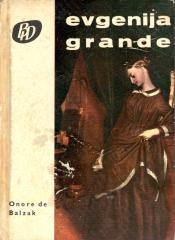
Evgenija Grande / Muzej starina
In his novels Eugenie Grandet (1833) and The Museum of Antiquities (1837), Balzac explores universal themes of greed, human passions, sacrifice, and moral dilemmas, placing them in different social contexts of 19th-century French society.
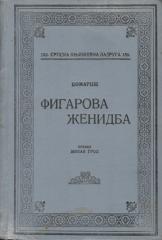
Figarova ženidba ili Ludi dan: Komedija u pet činova
The comedy "The Marriage of Figaro, or The Mad Day" (1784) is a sequel to The Barber of Seville. The Marriage of Figaro criticizes social injustices through love affairs and intrigue, celebrating Figaro and Susanna's ingenuity in the fight against aristoc
Literature
- Aphorisms and jokes
- Albanian literature
- American literature
- Ancient literature
- Anthology
- Arabic literature
- Autobiographies and Memoirs
- Adventure novel
- Bosnian literature
- British literature
- Bulgarian literature
- Montenegrin literature
- Documentary literature
- Plays
- Epistolary literature
- Epic Fantasy
- Epic literature
- Erotic Novels
- Essays and diaries
- Fantastic literature
- Movie Script
- A philosophical novel
- Francuska književnost
- Greek literature
- Horror/Gothic
- Croatian literature
- Humor and Satire
- Indian literature
- Iranian literature
- Irish literature
- Eastern European literature
- Sayings, thoughts, aphorisms, proverbs
- Japanese literature
- Chinese literature
- Literary criticism
- Teen Novels
- Comedy
- Short stories
- Detective Stories
- Hispanic American literature
- Latin literature
- Romance Novels
- Macedonian literature
- Hungarian literature
- Moral and didactic literature
- Folk literature
- Dutch literature
- German literature
- Novele
- Family novel
- Poems in prose
- Poetry
- Polish literature
- Portuguese literature
- Proverbs and maxims
- Historical novel
- History of literature
- Short Stories
- Psychological novel
- A war novel
- Romanian literature
- Russian literature
- Summaries and adaptations of literary works
- Scandinavian literature
- Slovak literature
- Slovenian literature
- Social literature
- Serbian literature
- Italian literature
- Literary Theory
- Tragedy
- Thriller
- Turkish literature
- Ukrainian literature
- Science Fiction
- Czech literature
- School reading
- Spanish literature
- Jewish literature