Bibliotka Jutarnjeg lista - Lektira popularni klasici

Bistri vitez Don Quijote od Manche
Alonso Kihano, opsednut viteškim romanima, postaje Don Kihot de la Manča. Sa svojim vernim Sančom Pansom upušta se u lude avanture, boreći se sa vetrenjačama i sanjajući o idealnoj Dulsineji.
Čiča Tomina koliba
A novel that strongly depicts the cruelty of slavery in 19th century America and is one of the most influential works in the fight against slavery. The novel (1852) caused enormous social reactions and contributed to the strengthening of the abolitionist
Dekameron
During the Great Plague of 1348, ten young Florentines flee to a villa and tell 100 stories over 10 days. Boccaccio's Decameron celebrates life, love, cunning, and human nature with humor and criticism of society.
Gulliverova putovanja
Lemuel Gulliver experiences four incredible journeys to fantastic lands: Lilliput, Brobdingnag, Laputa, and the land of the Houyhnhnms. Swift's ingenious satire on human nature, politics, science, and society.
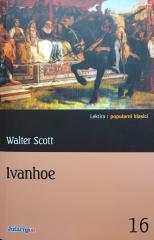
Ivanhoe
"Ivanhoe" (1819) is a historical adventure set in 12th-century England, during the conflict between the Normans and the Saxons. A literary classic that celebrates chivalry but also criticizes social divisions, leaving a lasting influence on the historical
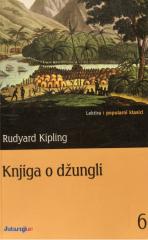
Knjiga o džungli
Mowgli, a boy raised by wolves in the Indian jungle, learns the Law of the Jungle alongside Baloo, Bagheera and other animals. He battles Shere Khan and discovers his human identity. A classic about nature, friendship and growing up.
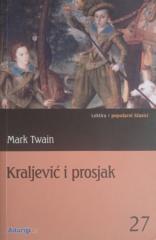
Kraljević i prosjak

Prince Edward and poor boy Tom accidentally switch places. Living each other's lives, they learn about the injustices, privileges, and realities of society in 16th-century England.
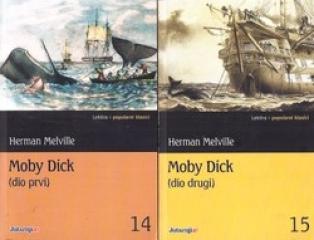
Moby Dick
Moby Dick is a novel by American writer Herman Melville from 1851. The book is the story of the sailor Ishmael about the maniacal quest of Ahab, captain of the ship Pequod, for revenge against Moby Dick, the huge white whale that bit off his leg on a prev
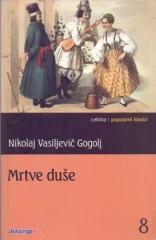
Mrtve duše
Dead Souls (1842) is a brilliant satire that exposes the moral and social rot of imperial Russia through Chichikov's fraud with dead serfs, with Gogol's virtuoso mix of humor, irony and lyricism.