Na Drini ćuprija

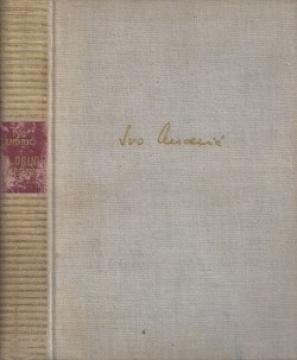
Eine Brücke über die Drina ist ein Roman von Ivo Andrić, der erstmals 1945 veröffentlicht wurde. Die Handlung spielt in Višegrad, einer kleinen bosnischen Stadt, und das zentrale Motiv ist die Brücke über die Drina, die im Laufe der Jahrhunderte ein Symbo
Der Roman verfolgt die Geschichte der Brücke über die Drina über mehrere Jahrhunderte hinweg, von ihrem Bau im 16. Jahrhundert während der osmanischen Herrschaft bis zum 20. Jahrhundert. Die Brücke wurde im Auftrag des Wesirs Mehmed Pascha Sokolović gebaut, der ursprünglich aus dieser Gegend stammte. Durch Geschichten über gewöhnliche Menschen, Verbrechen, Lieben und Schicksale zeigt Andrić das Leben in dieser Gegend in verschiedenen historischen Epochen.
Im Mittelpunkt des Romans steht das tägliche Leben der Menschen, die an die Brücke gebunden sind, darunter Touristen, Kaufleute, Bauern sowie Soldaten und die Regierung. Die Brücke ist das zentrale Element im Leben aller Charaktere, auf ihr spielen sich viele wichtige und dramatische Situationen ab. Anhand der Charaktere zeigt Andrić die Konflikte zwischen verschiedenen Kulturen, Religionen und Völkern, die im Laufe der Jahrhunderte in dieser Gegend gelebt haben.
Der Roman erforscht auch das Schicksal und die Psyche der Menschen, ihre Ängste, Hoffnungen und Leiden, indem er verschiedene historische Ereignisse wie die osmanische Besatzung, die österreichisch-ungarische Herrschaft, die Balkankriege und bis zum Ersten Weltkrieg schildert. Auf der Brücke spielen sich stets Schicksale ab, die große historische Veränderungen widerspiegeln.
Obwohl die Brücke als physisches Bauwerk Jahrhunderte überdauert, zeigen die Menschen, die kommen und gehen, sowie die Veränderungen, die in der Gesellschaft stattfinden, die Auswirkungen der Zeit auf Menschen, Mentalitäten und das Alltagsleben.
Der Roman „Auf der Drina-Brücke“ ist ein Werk, das sich eingehend mit Identität, Gemeinschaft und Konflikten auf dem Balkan sowie der Symbolik der Brücke als Ort der Vereinigung und Trennung auseinandersetzt. Andrić nutzt die Brücke, um zu zeigen, wie Geschichte und Schicksal das Leben der einfachen Menschen prägen, und macht die Brücke gleichzeitig zu einem zentralen Ort, an dem sich die Schicksale vergangener und zukünftiger Generationen verflechten.
Im Angebot sind keine Exemplare vorhanden
Das letzte Exemplar wurde kürzlich verkauft.