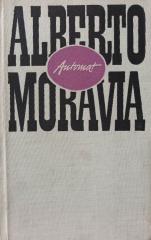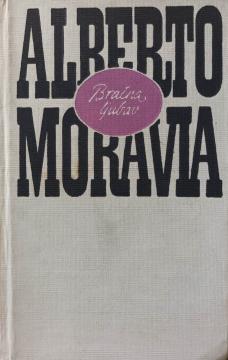
Maskarada / Bračna ljubav

In „Maskerade“ zeichnet Moravia ein satirisches Bild des faschistischen Italiens durch absurde politische Intrigen und Verkleidungen. „Eheliche Liebe“ erkundet auf intime Weise erotische Spannungen, Besitzgier und emotionale Entfremdung im Alltag.
In diesen beiden Werken zeigt Alberto Moravia unterschiedliche Facetten seines Schaffens – politische Satire und tiefgründige psychologische Analyse intimer Beziehungen.
Maskerade (1941) ist ein satirischer, grotesker Roman, der im faschistischen Italien spielt. Die Hauptfigur ist ein Polizeispitzel, der den Auftrag erhält, eine junge Frau zu verführen und in eine Falle zu locken, deren Ehemann politisch unerwünscht ist. Die Handlung entfaltet sich in einer Atmosphäre von Maskeraden, Lügen, Verkleidungen und der Absurdität eines totalitären Regimes. Moravia verspottet gnadenlos die Bürokratie, Korruption, Heuchelei und Entmenschlichung, die der Faschismus mit sich bringt. Zum Zeitpunkt seiner Veröffentlichung wurde der Roman aufgrund harscher Kritik vom Mussolini-Regime verboten und beschlagnahmt.
Eheliche Liebe (1949) ist eine subtilere, intimere Prosa – eine Sammlung von Erzählungen oder ein kurzer Roman, der sich auf ein Ehepaar konzentriert. Die Ehefrau ist eine schöne, sinnliche Frau, die zum Objekt der obsessiven Begierde und Eifersucht ihres Mannes wird. Er ist ein Intellektueller, der sich gleichermaßen von ihrer Körperlichkeit und Unabhängigkeit angezogen und bedroht fühlt. Das Werk seziert erotische Dynamiken, Besitzgier, Verlustangst, Schuldgefühle und die Unmöglichkeit, einen anderen Menschen vollständig zu besitzen. Moravia beweist hier seine Meisterschaft in der Darstellung subtiler psychologischer Nuancen – von Leidenschaft bis Kälte, von Zärtlichkeit bis destruktiver Kontrolle. Die Ehe wird zum Schlachtfeld um Identität, Macht und Begehren.
Beide Texte sind von Moravias typischem Thema geprägt: ein Mann, gefangen in falschen Rollen (sozial oder privat), die Unmöglichkeit authentischer Kommunikation und der ständige Kampf zwischen Schein und Sein. „Maskerade“ ist schärfer, politisch engagiert, während „Eheliche Liebe“ tiefer in die erotisch-psychologische Sphäre vordringt. Gemeinsam zeigen sie die Bandbreite von Moravias Werk – von der Gesellschaftskritik bis zu den intimsten Winkeln der menschlichen Seele.
Im Angebot sind keine Exemplare vorhanden
Das letzte Exemplar wurde kürzlich verkauft.