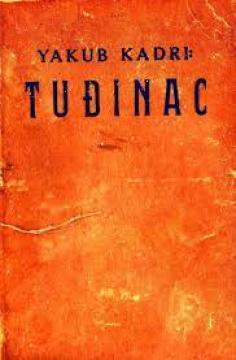
Tuđinac
Der Roman „Der Fremde“ (Yaban, 1932) ist ein Werk des sozial engagierten Schriftstellers Yakup Kadri Karaosmanoǧlu, das den türkischen Unabhängigkeitskrieg und die Instabilität der türkischen Einheit im Jahr 1918 thematisiert.
Der Roman spielt zur Zeit des Befreiungskampfes Anatoliens unter Mustafa Kemal Pascha. Die Hauptfigur, Ahmet Celal, ist ein pensionierter Offizier und Kriegsinvalide, der, desillusioniert von der Unterstützung der britischen Besatzer und des osmanischen Sultans durch die Istanbuler Elite, in ein anatolisches Dorf zieht. Er erlebt die Bauern als konservativ, ungebildet und wie eine gefügige Masse ohne eigene Ideale und Ansichten. Ahmet erkennt bald, dass er sich niemals mit ihnen identifizieren kann und verzweifelt zunehmend an ihrer Gleichgültigkeit gegenüber dem nationalen Kampf und ihrem Mangel an Patriotismus.
In den Augen der Bauern ist Ahmet ein Fremder, wie auch andere Mitglieder der gebildeten Elite. Seine Ideale einer fortschrittlichen, säkularen und nationalbewussten Gesellschaft sind den anatolischen Bauern fremd und befremdlich, was den Protagonisten immer weiter von seinem eigenen Volk entfernt. Diese Entfremdung zeigt sich am deutlichsten zu Beginn des Romans, als der Autor die Gegend um Ankara nach dem Sieg der Befreiungsarmee über die Griechen in der Schlacht von Sakarya beschreibt. Eine Delegation findet bei einer Besichtigung des Schlachtfelds das Tagebuch eines anonymen Verfassers. Die Delegationsmitglieder fragen die Dorfbewohner, wem das Tagebuch gehörte, und diese antworten, sie wüssten es nicht und es kümmere sie auch nicht, da diese Person nur ein „Fremder“ unter ihnen gewesen sei.
Das Leid der Hauptfigur, das sich in widersprüchlichen Gefühlen wie Mitgefühl, Wut, Trauer und unerwiderter Liebe äußert, spiegelt den hoffnungslosen Zustand der türkischen Gesellschaft jener Zeit wider und zeugt von den erbärmlichen Bedingungen, unter denen die nationalen Streitkräfte gegen die Besatzer kämpften. Um den „geistigen Sumpf“, in dem sich die Republik in den ersten zehn Jahren ihres Bestehens befand, weiter zu verdeutlichen, beschreibt der Autor die Natur als schmutzig und verrottet und schreibt fast jeder Figur irgendeine Art von körperlichem Makel zu.
Obwohl es den Anschein haben mag, als habe Karaosmanoğlu seine Kritik lediglich an die Bauern gerichtet und ihnen Leichtgläubigkeit, Aberglauben und Desinteresse am nationalen Kampf vorgeworfen, griff er mit dem Roman „Tuđinac“ vor allem die türkischen Intellektuellen an, die er als Hauptverantwortliche für den vernachlässigten Zustand der Randgebiete des Landes aufgrund der anhaltenden Vernachlässigung des ländlichen Raums sieht. Der Autor schlussfolgert, dass grundlegende Veränderungen und eine echte Modernisierung erst dann eintreten können, wenn sich die Mentalität der anatolischen Bauern wandelt und neue Werte wie die Lese- und Schreibkultur in der Gesellschaft verankert werden.
Mit diesem Roman verweist Karaosmanoğlu auf zahlreiche Spaltungen und Gegensätze innerhalb der türkischen Gesellschaft der frühen Republikzeit, die sich insbesondere im Missverständnis zwischen Gebildeten und Ungebildeten, der städtischen Elite und den anatolischen Bauern sowie den westlichen und traditionell muslimischen Weltanschauungen manifestieren. Die utopischen Ideen einer Versöhnung des Islam mit den Prinzipien eines modernen säkularen Staates, die einige Zeitgenossen des Autors hegten, schienen für Karaosmanoğlus realpolitische Überzeugungen unerreichbar, daher fand er die Lösung für das Problem der nationalen, kulturellen und religiösen Identität der Türken im kemalistischen Ideal einer säkularen Nation.
Angeboten wird ein Exemplar
- Die Abdeckung fehlt