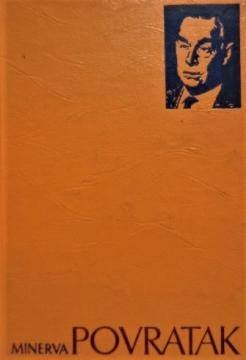
Povratak
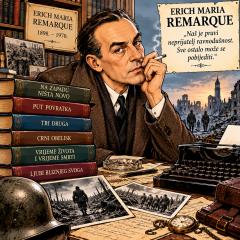
Der Roman erzählt die Geschichte von Soldaten, die nach dem Ersten Weltkrieg in ein verwüstetes und politisch instabiles Deutschland zurückkehren. Konfrontiert mit dem Trauma und der Unmöglichkeit, sich in das zivile Leben einzugliedern, erkennen sie, das
Als Fortsetzung des berühmten Romans „Im Westen nichts Neues“ erkundet „Die Heimkehr“ das Schicksal derselben Gruppe junger Männer, deren Jugend durch das Massaker im Schützengraben zerstört wurde. Erich Maria Remarque feiert hier nicht die Sieger des Krieges, sondern seziert die schmerzhafte Realität derer, denen die Zukunft geraubt wurde. Die Heimkehr bringt keinen Frieden, sondern die bittere Erkenntnis, dass die Soldaten in ihrem eigenen Land zu Fremden geworden sind.
Die Hauptfigur Ernst Birkholz versucht zusammen mit seinen Kameraden wie Adolf Betke, Ludwig Brenk und Jutta, ihren Platz in einer Gesellschaft zu finden, die von Heuchelei, Armut, Hunger und politischer Unruhe geprägt ist. Zivile Institutionen, Schulen und Familien erscheinen ihnen wie sterile Kulissen, die die Schrecken, die sie erlebt haben, nicht verstehen. Der Autor schildert meisterhaft, wie die Machthaber, die sie in den Tod geschickt haben, weiterhin die Oberhand behalten, während die Heimkehrer mit posttraumatischer Belastungsstörung, existenzieller Angst und zerbrochenen Illusionen kämpfen.
Der Roman dringt tief in die Psyche des Einzelnen ein. Manche Soldaten verfallen dem Zynismus, andere dem politischen Extremismus, der bereits den kommenden Faschismus vorwegnimmt, während einige wenige versuchen, fragile menschliche Bindungen aufzubauen. Die Figuren sind vom Tod eines Freundes gezeichnet, und viele erleiden einen endgültigen Zusammenbruch, weil sie sich nicht an den Rhythmus des Friedens anpassen können.
Remarques Stil ist realistisch, kompromisslos und von tiefem Humanismus geprägt. Aufgrund seiner starken Antikriegsbotschaft und der offenen Anprangerung des Verfalls der Gesellschaft wurde der Roman später von den Nazis verboten und verbrannt. „Die Heimkehr“ bleibt ein zeitloses Zeugnis einer verlorenen Generation und der anhaltenden Auswirkungen jedes Konflikts auf die menschliche Psyche.
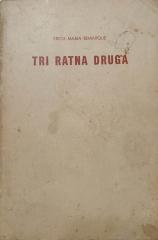
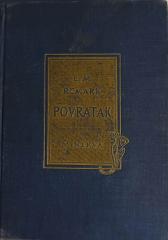
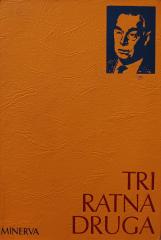
Es werden zwei Exemplare angeboten
Kopiennummer 1
Kopiennummer 2
- Blago oštećenje korica